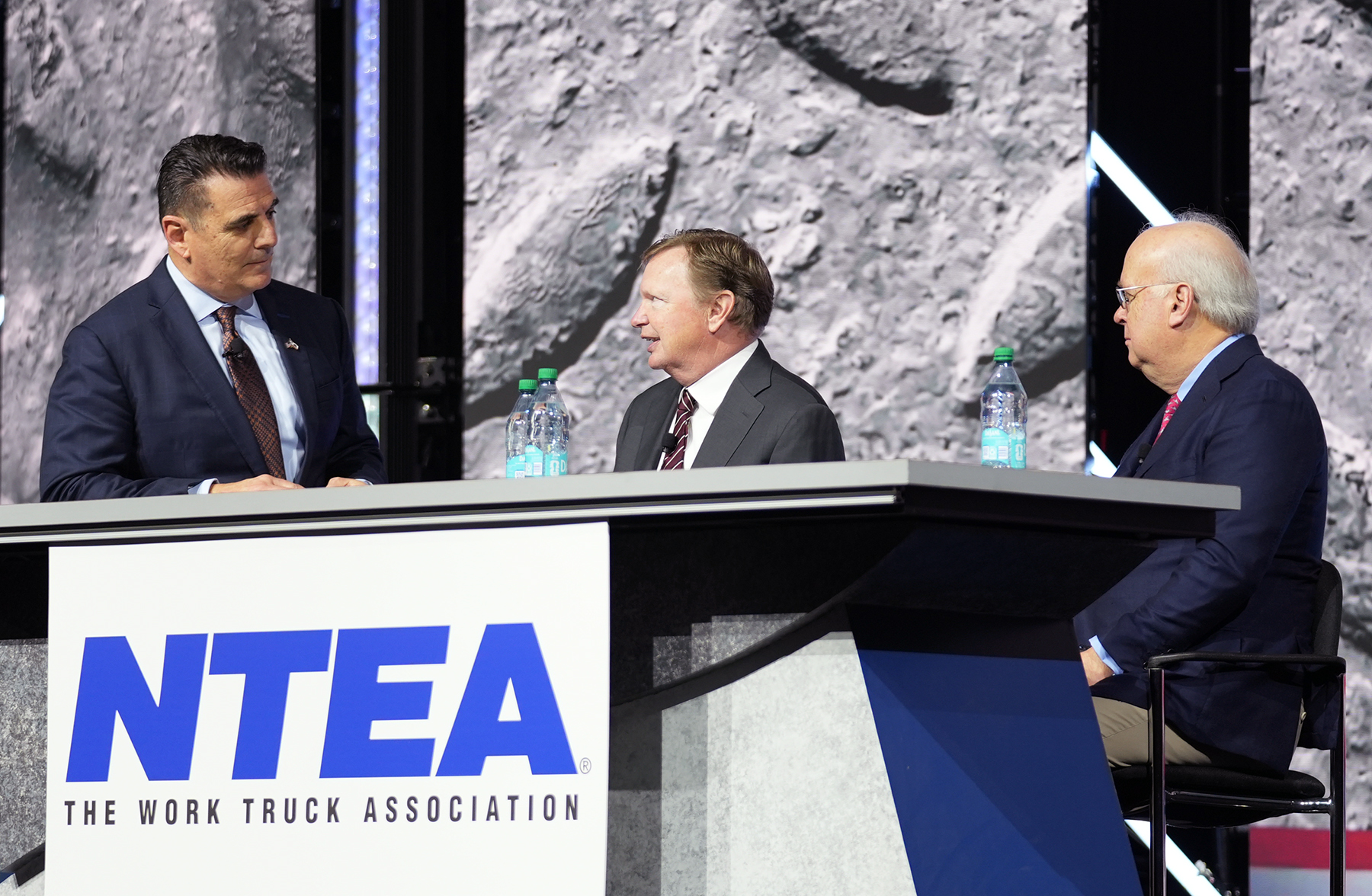
The annual Indianapolis event brought together 15,646 commercial vehicle professionals and 547 exhibitors, with major announcements from Ram, Ford Pro, and Harbinger highlighting advancements in chassis design, AI fleet tools, and alternative powertrains.
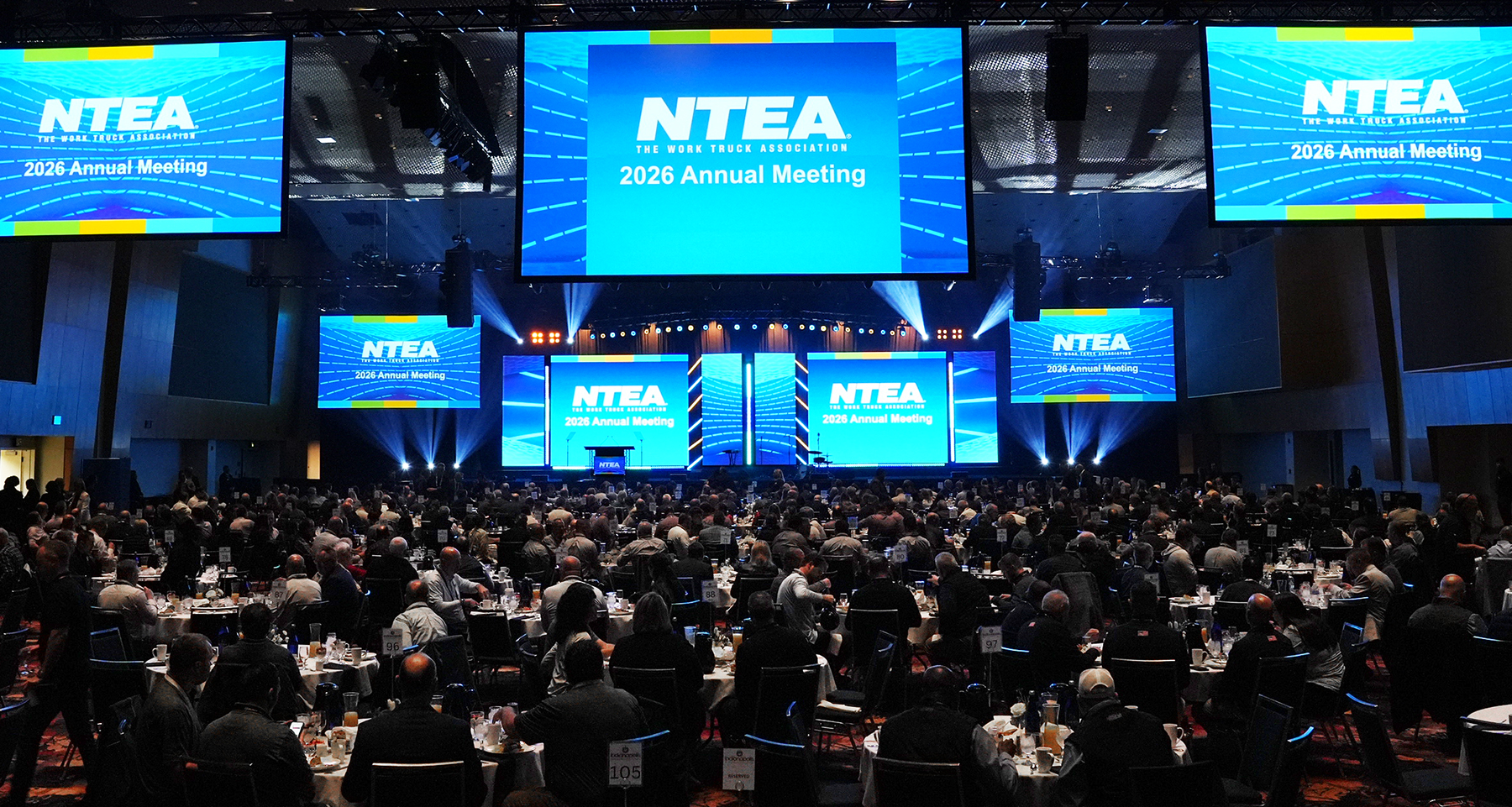
Each year, Work Truck Week sets the tone for where the commercial vehicle industry is headed, and 2026 did not disappoint.
Held March 10–13 in Indianapolis, this year’s event brought together more than 15,600 industry professionals from across the U.S. and 29 countries, making it one of the most influential gatherings for fleet managers, upfitters, OEMs, distributors, and equipment professionals.
From new chassis and commercial vans to AI-powered fleet technology and future-focused powertrain solutions, Work Truck Week 2026 delivered a clear message: the work truck industry is evolving fast.
For snow and ice professionals, many of the innovations unveiled this year could have direct implications for fleet performance, route efficiency, and equipment integration in the seasons ahead.
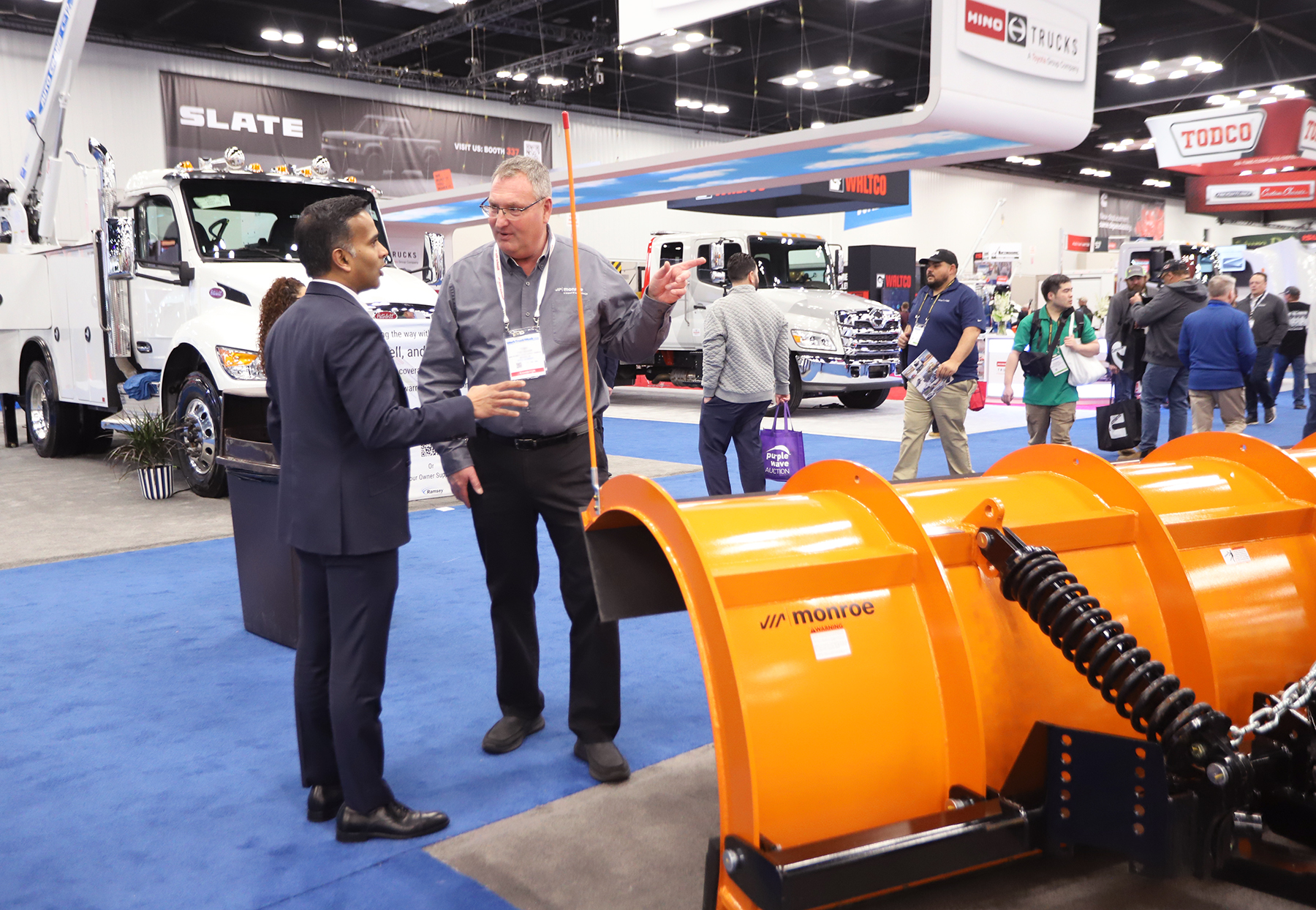
Major Vehicle Launches Take Center Stage
Several of the biggest names in commercial vehicles used Work Truck Week as the stage for major product reveals.
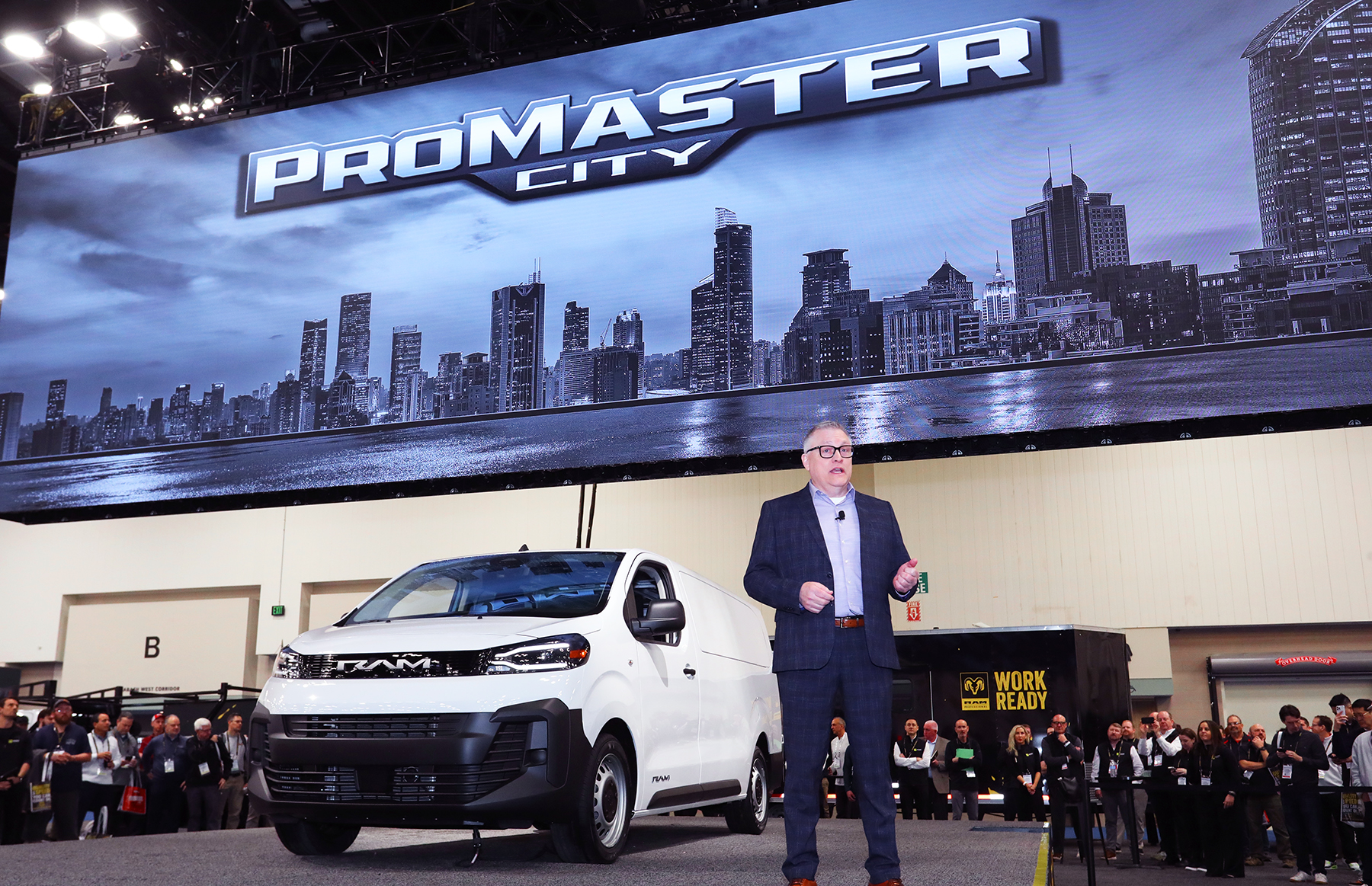
Ram Professional announced the return of its midsize commercial van with the all-new 2027 ProMaster City, a move likely to attract contractors, service fleets, and municipal operations looking for versatile support vehicles.
Harbinger introduced its HC Series Cab, a medium-duty low cab forward truck available in both electric and hybrid plug-in models. This launch continues the industry’s push toward alternative propulsion options, particularly for fleets focused on sustainability goals and lower operating costs.
Meanwhile, Ford Pro made one of the most talked-about announcements of the show with the debut of Ford Pro AI, an intelligent fleet assistant designed to help businesses better manage vehicle operations, diagnostics, and productivity.
Ford also introduced new 2027 Super Duty packages tailored to industries including construction, manufacturing, energy, logistics, and service sectors — markets that heavily overlap with snow and ice fleet operations.
AI and Smart Fleet Technology Continue to Grow
Artificial intelligence was one of the standout themes throughout the event.
The introduction of Ford Pro AI signals where fleet management is headed: smarter predictive maintenance, optimized routing, enhanced driver support, and faster operational decision-making.
For snow removal contractors and municipal fleets, this type of technology could become especially valuable during storm events when response time, uptime, and dispatch efficiency are critical.
As winter service operations continue to adopt telematics, route optimization, and equipment monitoring systems, AI integration is becoming less of a future concept and more of an immediate competitive advantage.
Sustainability and Future Powertrains Remain a Focus
Another major takeaway from Work Truck Week 2026 was the continued momentum behind electrification and hybrid technology.
The Green Truck Summit, which traditionally kicks off the event, focused heavily on the future of commercial vehicle technology.
Beginning in 2027, the summit will evolve into the Future Truck Summit, expanding its focus beyond alternative fuels to include software, hardware, vehicle intelligence, and emerging on-vehicle technologies.
This shift reflects a broader industry transformation — one that snow and ice professionals should keep a close eye on as more plow-ready chassis and medium-duty platforms begin incorporating these technologies.
Ride & Drive Highlights New Capabilities
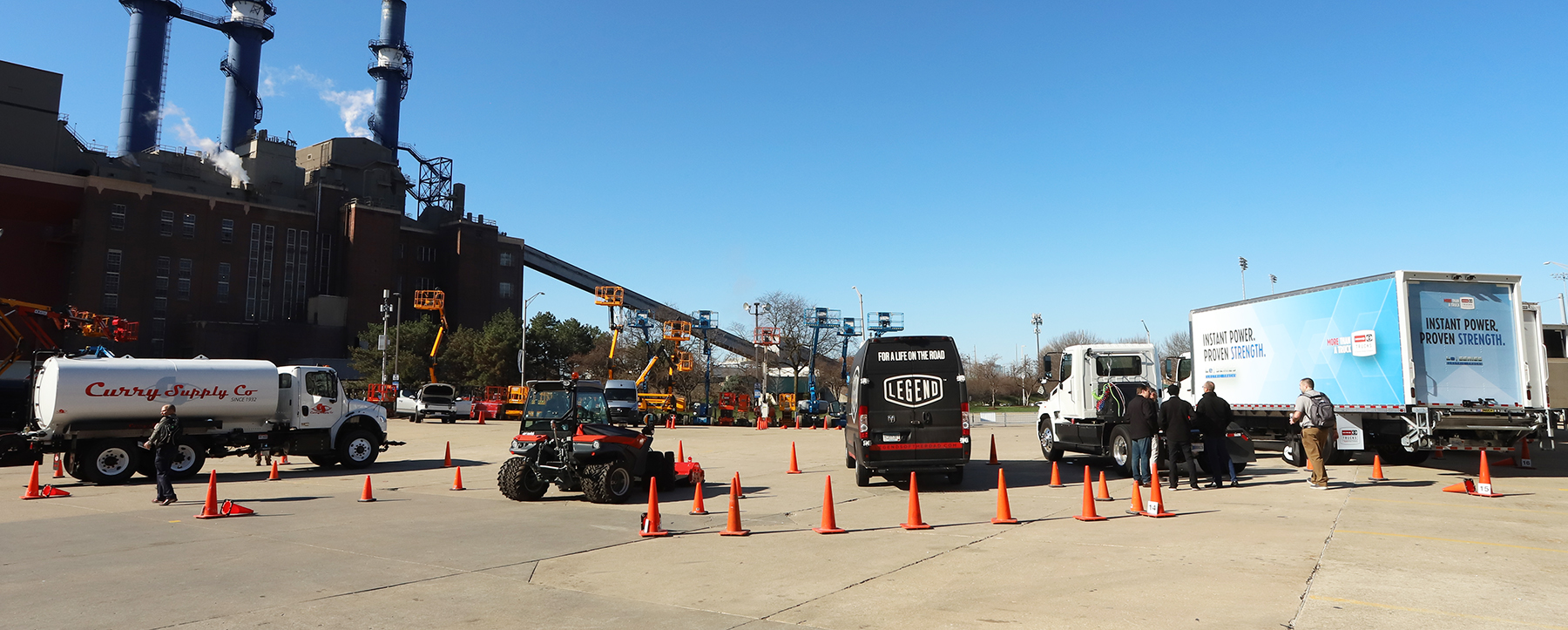
One of the most valuable experiences at Work Truck Week remains the Ride & Drive, where attendees can test vehicles equipped with the latest propulsion systems and operational technology.
This year featured 15 vehicles from 15 companies, including all-electric vans, truck chassis, and internal combustion platforms with enhanced fuel-efficiency technologies.
For fleet buyers, seeing how these vehicles perform in real-world scenarios provides insight into what could soon become viable options for snow response, municipal service, and support fleets.
Showcasing Advancements and Innovations
While Work Truck Week covers the broader commercial vehicle market, many of the innovations showcased directly impact snow and ice operations.
Advancements in chassis packages, AI fleet tools, emissions technology, and electrified platforms all influence how snow contractors, public works departments, and service fleets prepare for future winters.
As the industry continues to prioritize efficiency, uptime, and data-driven operations, the innovations unveiled at Work Truck Week 2026 offer a glimpse into what next-generation snow fleets may look like.
From smarter route management to new truck platforms capable of supporting winter equipment, the future is clearly becoming more connected and more intelligent.