
Snow Plow News guest contributor, Brian Ivey of Norcast, shares insights from what they see is driving off-season success in snow and ice management.

With 15 years in the weather forecasting industry working side-by-side with snow and ice management, I’ve seen firsthand how much the game has evolved—from basic route sheets to live dashboards, from gut instinct to data-driven decisions. I’m passionate about helping businesses grow sustainable, efficient, and profitable operations. Accurate weather is a huge part of that. I am privileged to be blessed in a leadership role at NorCast growing the company and helping out general public, municipalities, energy companies, snow contractors and much more with superior decision making around the forecast.
Fresh off the SIMA and APWA trade shows, I noticed four standout trends that snow professionals should be thinking about this summer.
RWIS + Forecast Triggers: The Move Toward Smart, Predictive Operations
There’s growing interest in AI-assisted road weather information systems (RWIS) and mini-sensor networks—even at the contractor level. These systems can monitor pavement temps, moisture, and trends in real time, giving crews an early edge on treatment timing. Several APWA sessions showed how municipal agencies are already feeding this data into automated trigger systems—like dispatching or pre-treating when conditions hit certain thresholds.
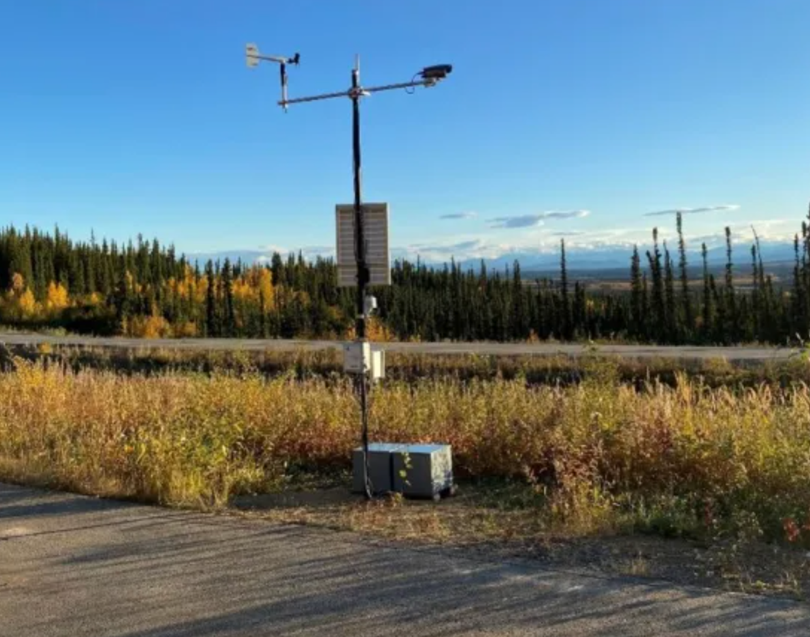
Contractors aren’t there yet on full automation, but the opportunity is clear: start by organizing a strategic plan of adopting some network of current conditions from local cameras and RWIS data. Use a professional weather service to monitor upcoming trends and impact details to what’s going to happen to the pavement in your area. Use all this info and expertise to make data-driven decisions on the FUTURE and don’t just react to right now.
The long-term vision? Integrating forecast intelligence with RWIS-style data to make decisions faster, safer, and more cost-effective—whether you’re managing 5 trucks or 50.
Tech is Evolving, But Humans Still Matter More
A theme echoed throughout both shows: tools are only as good as the humans interpreting them. When it comes to forecasting the models are often not great. Even if they are great then there is a bunch of context missing. Even if the context is there then there is a lot of operational impacts and details that are industry specific missing.
A perfect forecast on a free weather app lacks many important elements:
- When it specifically starts and stops.
- How much snow you are actually going to get on pavement. Not just models flipping on how much falls from the sky.
- Forecast confidence.
- Snow consistency on pavement. (slushy, icy, frozen layer, dry and blowing around, etc)
- When you should plow and salt.
- If you should be pretreating.
- Visuals like futurecast radar, snow maps, other impactful weather like wind chill, refreeze risks, etc.
From ensemble modeling to skew-T diagrams, speakers emphasized how seasoned forecasters can pick up on things the models miss—especially in marginal setups or fast-developing events. More importantly, it’s about translating forecasts into operational impact: how will this storm affect your pavement, crew deployment, or chemical strategy?
Forecast tech is evolving quickly—but there’s still no substitute for experience, pattern recognition, and local knowledge. As a contractor, that means choosing partners who go beyond model output to deliver real-world insight.
Visual SOPs and Real-Time Dashboards Are Taking Over
More vendors are moving beyond software-as-storage and into software-as-action. Instead of static PDFs or spreadsheets, contractors are adopting tools that tie visual SOPs to live dashboards—complete with treatment status, crew location, and task progression.
This isn’t just flashy tech. It helps reduce error, improves training, and allows managers to adapt routes or shift resources during a storm.
This is about growing and scaling your business in sales, hiring, bidding, acquisitions, etc. The ability to leverage AI and some of this new software to achieve overall success with hitting goals and KPI’s is so very helpful. It’s not just about running better day-to-day operations. If you try some of these options with demos or trials and purchase the best fit then it should generate a significant ROI on time and money. I know scheduling and management apps have made a big personal and professional difference in the last year or so in our business.
Use Last Winter to Win This Winter: Smarter Bidding Through Weather Analytics

One of the most productive off-season strategies discussed at SIMA was using past weather + operational data to refine contracts and bids.
Analyzing how many events occurred, what types of storms were most common, how often pre-treatment was triggered, and how much salt or labor was used—these are gold mines of insight. You can get data for the last 10-25 years and get a much better idea of where to weight the risk. Put this local forensic historical weather information into an AI like Chat GPT with your secret sauce strategy of how you would do contracts and create bids and then you will be able to get an improved gameplan to maximize profit and really decrease liability.
This is especially important for fixed-rate or seasonal contracts, where under- or over-servicing can quickly eat into profits. Summer is the time to use data, not guesswork, to get your numbers right.
Final Thoughts
Trade shows aren’t just for gearheads and giveaways—they’re where the future of snow and ice management is being shaped. Whether it’s sensors, dashboards, smarter bids, or stronger forecasting partnerships, the companies that act now—during the off-season—are the ones that lead when the flakes fly.