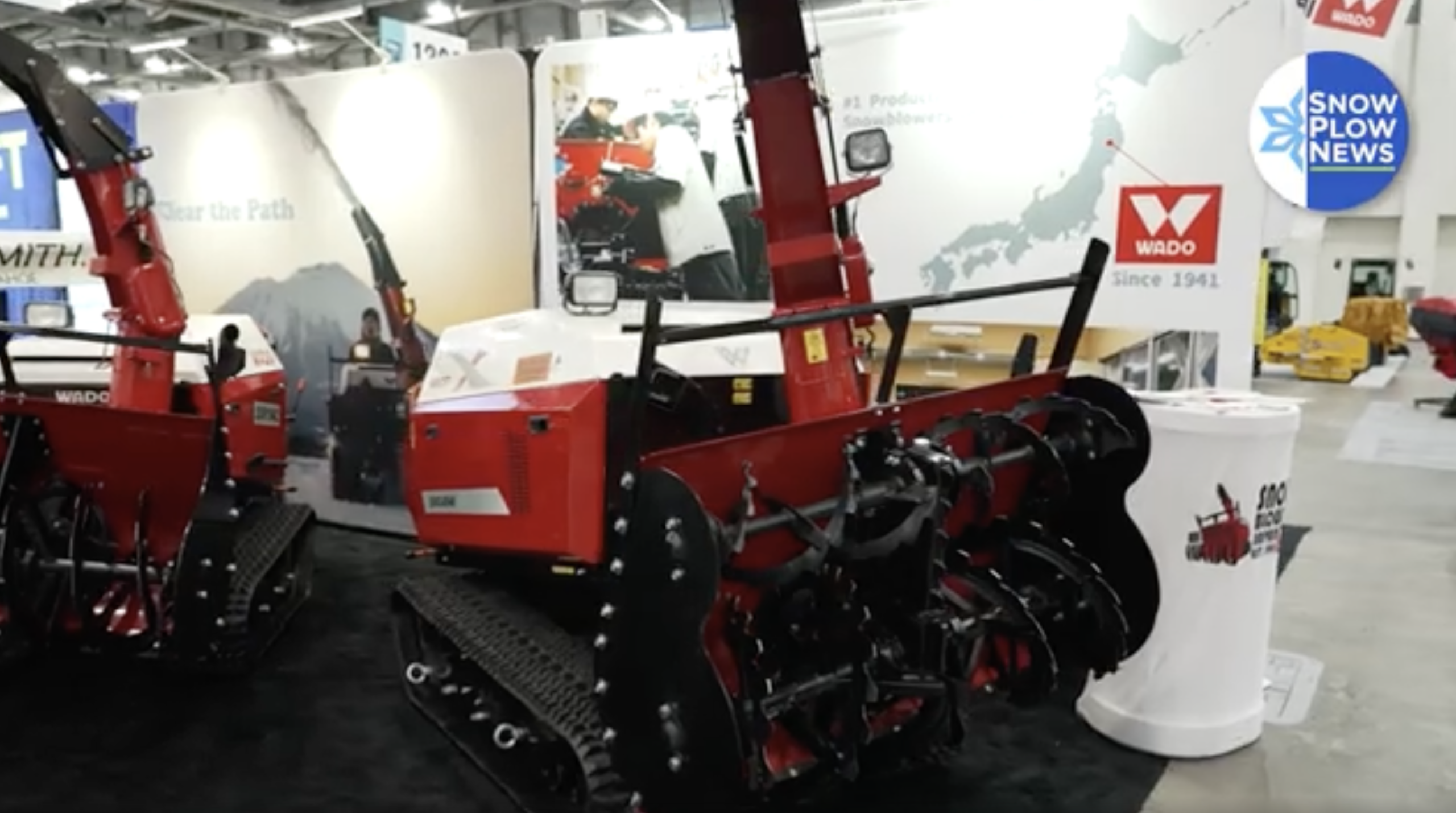
Wado is entering the U.S. market with a different approach—bringing decades of Japanese engineering to high-powered walk-behind snowblowers designed to reduce labor, increase productivity, and simplify operation.
While many brands in the snow and ice industry are focused on incremental innovation, Wado is taking a different approach—bringing decades of proven engineering into a new market.
In a recent interview with Justin Smith, the story behind Wado’s U.S. debut becomes clear: this isn’t a startup trying to find its footing. It’s a long-established manufacturer entering the American market independently for the first time.
“Wado is not a new company—it’s a very old company that’s coming to the market on its own,” Smith explained. “This is really the first time the brand has been introduced directly into the United States.”
A Different Class of Walk-Behind
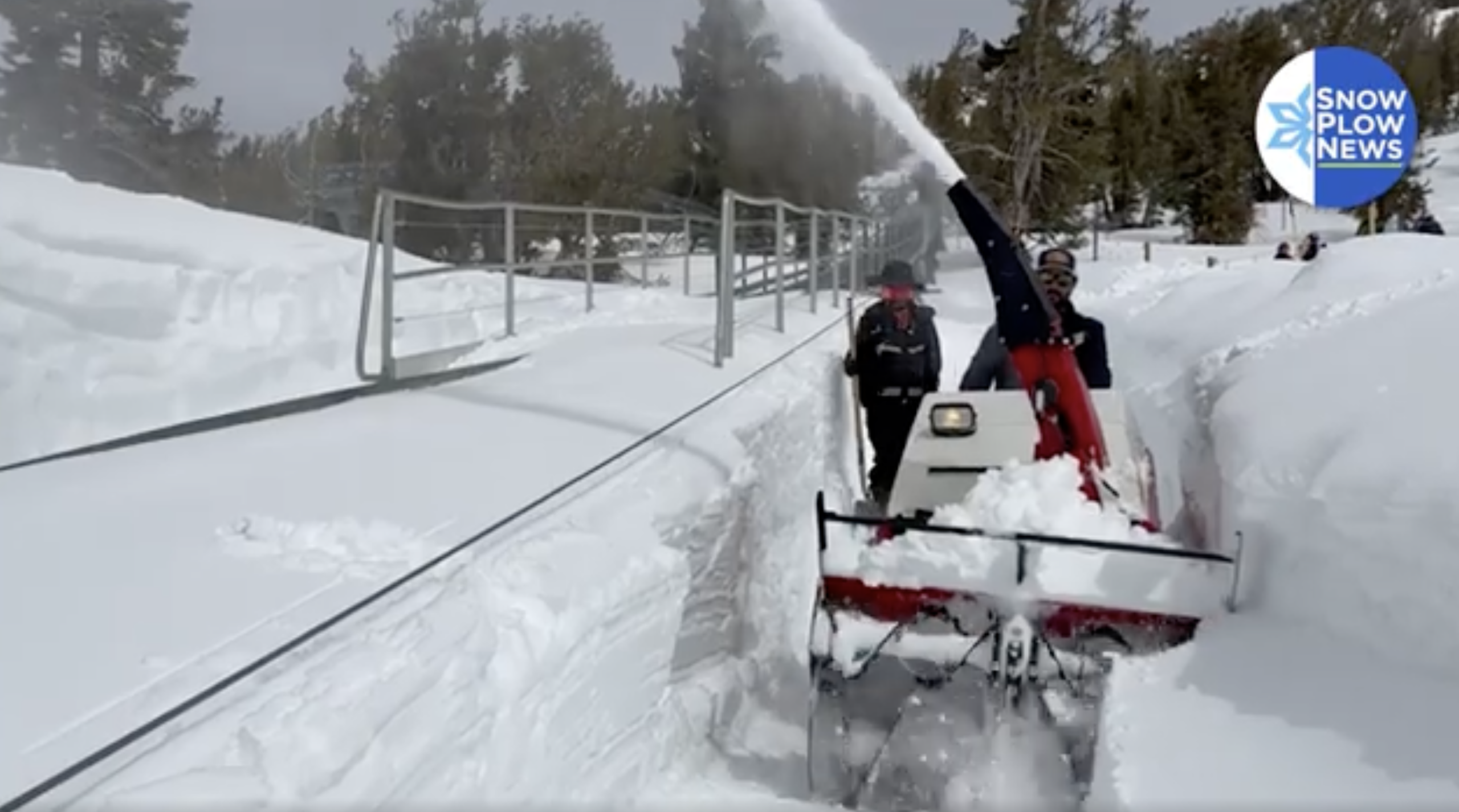
At the center of that introduction is a machine that challenges expectations of what a walk-behind snowblower can be.
Wado’s flagship model is a 45-horsepower, diesel-powered unit—far beyond the scale of typical commercial walk-behinds. Smith describes it simply:
“It’s like a Honda walk-behind snowblower on steroids.”
The comparison is intentional. While the machine delivers significantly more power, it maintains the same core principles contractors value: simplicity, durability, and ease of operation.
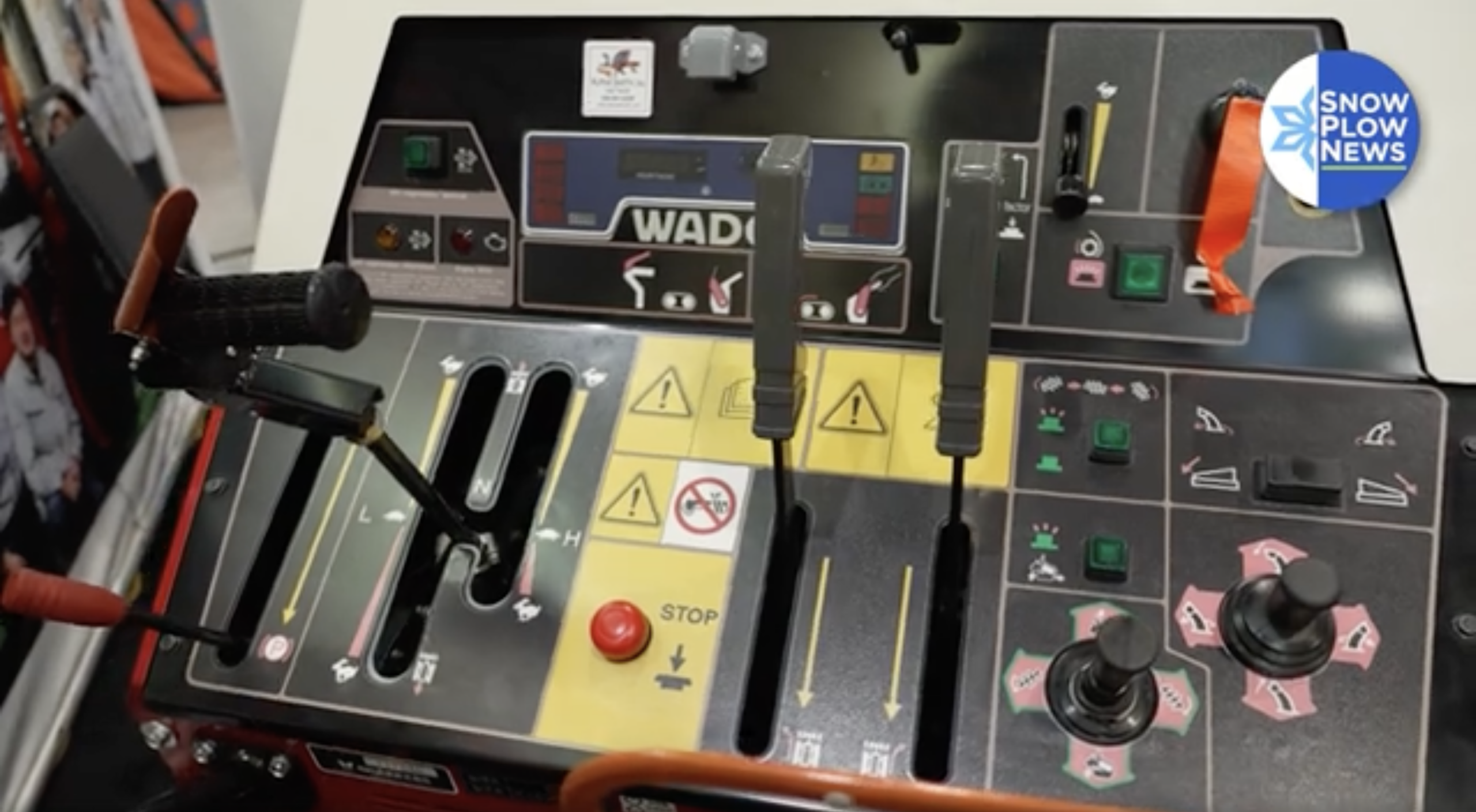
Manufactured in Japan, the equipment reflects a design philosophy centered on reliability and operator efficiency. Controls are straightforward, allowing operators to get up to speed quickly with minimal training.
“You can pretty much put anyone behind it, and with very little training they’ll be proficient—not just in operating it, but maintaining it as well,” Smith said.
Built on Japanese Engineering
Wado is leaning heavily into its engineering heritage as a differentiator in a crowded market. The machines are designed to reduce complexity without sacrificing performance—an approach that resonates with contractors managing labor constraints and uptime pressures.
That focus on simplicity extends beyond operation and into long-term ownership. Fewer complications in design can translate into easier maintenance, less downtime, and more consistent performance in demanding winter conditions.
Expanding the Lineup
For the current season, Wado is introducing a 44-horsepower walk-behind snowblower powered by Yanmar diesel engines. The company is also planning to expand accessibility with a smaller 19-horsepower model slated for release next year.
This tiered approach gives contractors multiple entry points depending on their operational scale and budget, while maintaining the same core design philosophy across the lineup.
Rethinking Labor and Productivity
Beyond the equipment itself, Wado’s value proposition ties directly to one of the industry’s most pressing challenges: labor.
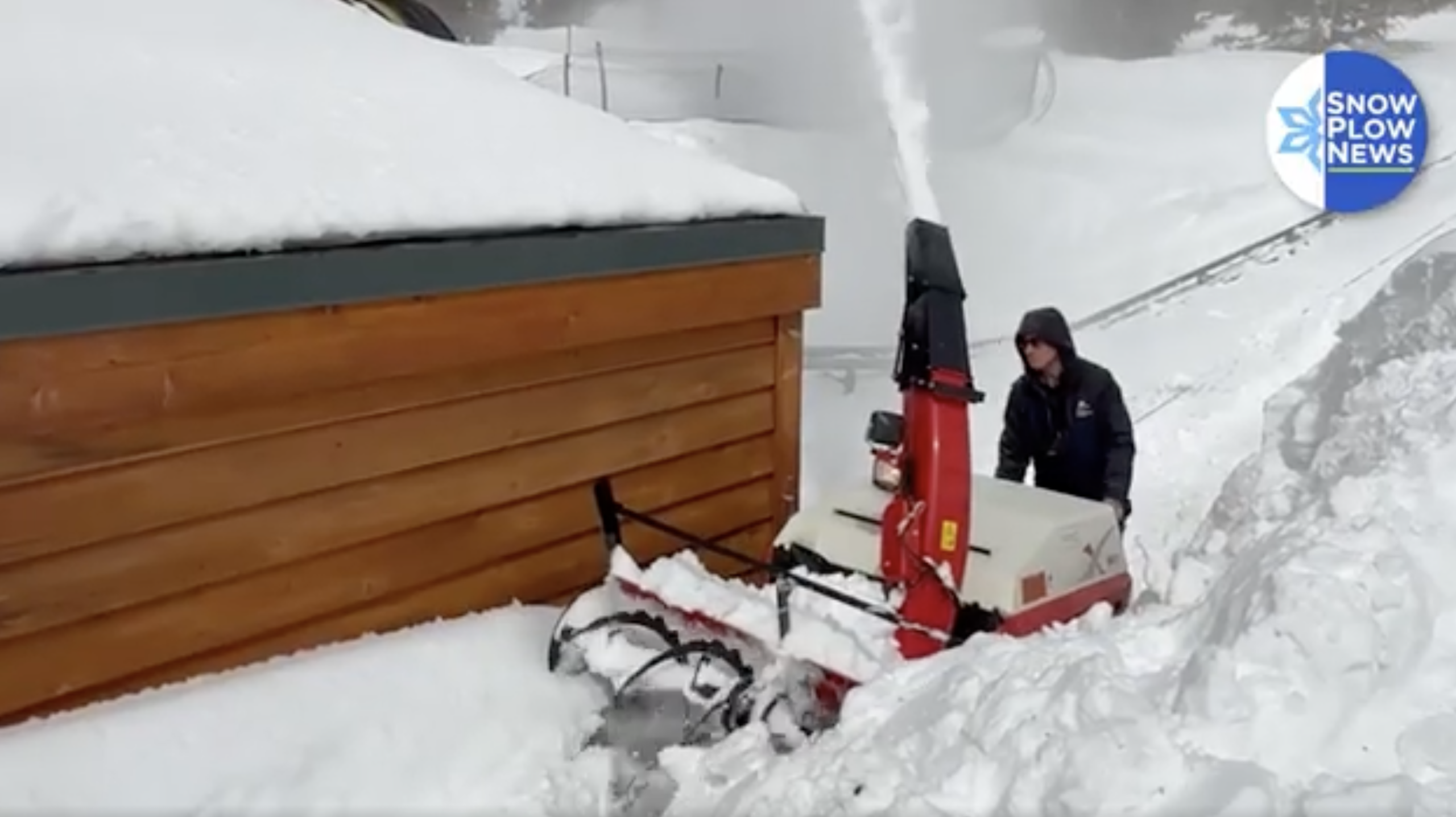
Rather than deploying multiple smaller machines with larger crews, contractors can consolidate operations using fewer, higher-capacity units.
“The best part is we’re essentially paying for our labor upfront,” Smith said. “Instead of running three or four small snowblowers with three or four operators, we can run one or two larger machines with fewer people.”
The result is a measurable shift in efficiency:
- Reduced labor costs
- Lower risk of operator injury
- Increased productivity per crew
For contractors navigating tight labor markets and rising costs, that equation is increasingly compelling.
A New Option with Proven Roots
Wado’s entry into the U.S. market represents more than just another product launch—it introduces a different way of thinking about walk-behind equipment.
By combining high horsepower, simplified operation, and a labor-focused value model, the company is positioning itself as a practical solution for contractors looking to do more with less.
And while the brand may be new to many in the United States, its foundation is anything but.