
Snowplow users should begin to feel the impact of the Trump Administration’s latest tariff increase alongside China’s growing demand for tungsten. Guest writer, Ronald Mills explores what’s ahead for the industry.
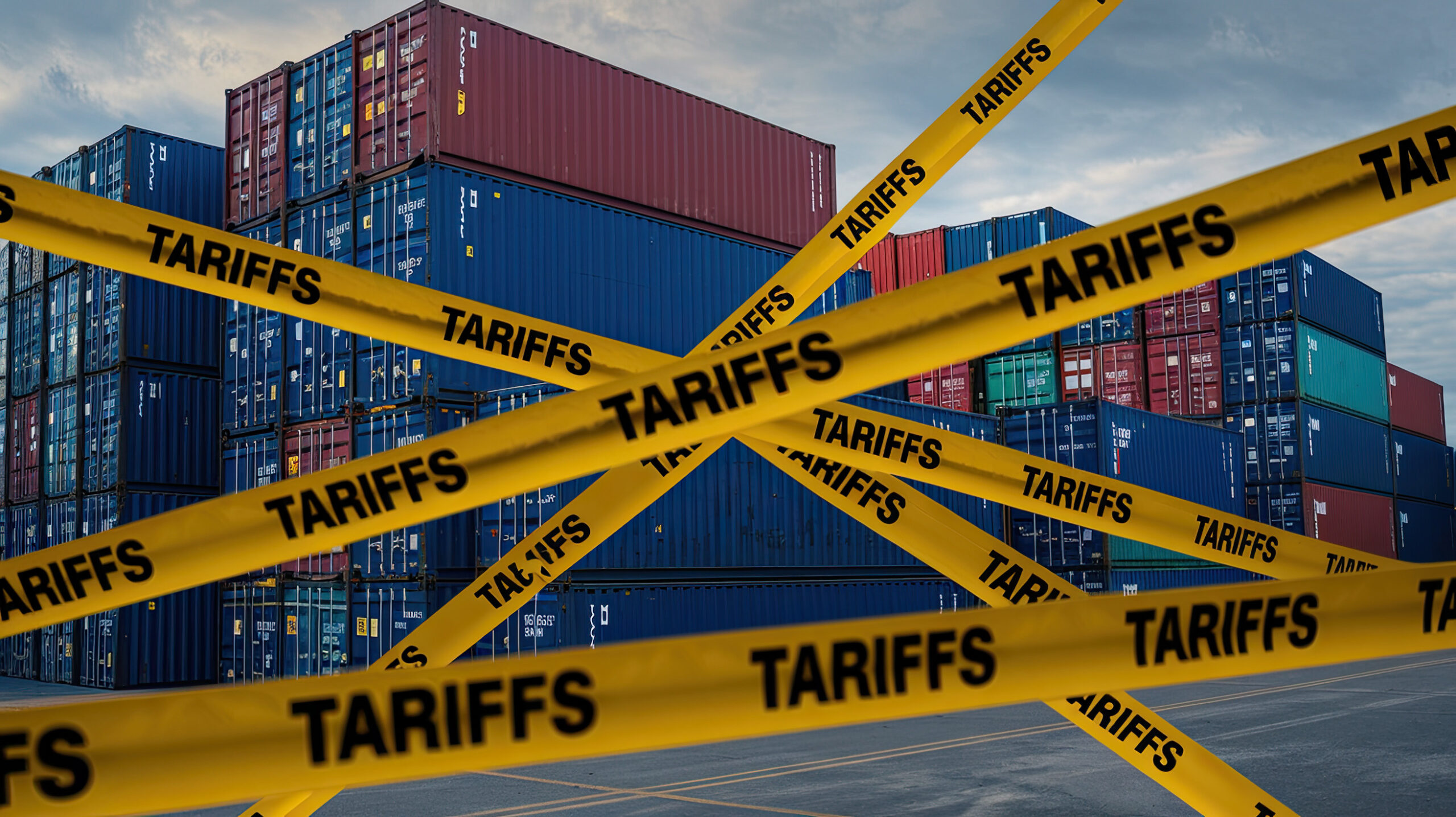
Tariffs Drive Up Costs for Snowplow Blades
Snowplow users should begin to feel the impact of the Trump Administration’s latest tariff increase. The tariff on tungsten used in snowplow blades has risen to 55%. Tariffs are levied at the time the goods enter the USA, meaning the importer is out the funds charged by the Government long before the goods reach the customer. Combined with an already tightening supply, snowplow consumers can expect dramatic increases in price.
Availability of Tungsten Shrinking
Compounding the problem of tariffs is the availability of tungsten. It has long been valued for improving the life of cutting edges, machining, and wear parts like snowplow blades. But availability is no longer what it once was. According to the U.S. Bureau of Mines, China holds 80% of the world’s reserves of tungsten, with 21 mines currently producing. Historically, China used only one-fifth as much tungsten per capita as developed countries. That has now changed.
China’s Demand Rising Rapidly
The sleeping giant has awoken. Over the past 40 years, China has rapidly industrialized. With the rise of automobile production, industrial efficiency demands, and the growth of numerical machining and robotics, China’s demand for tungsten has catapulted. What was once exported to generate gold-based currency is now being consumed domestically. Tungsten is more vital as a cutting tool material within China itself.
Global Supply and Price Pressures
The result is twofold: tariffs on imports driving up costs in the United States, and China becoming less willing to export tungsten at all. Prices have already begun to rise worldwide, and supply is tightening. Snowplow users are now faced with artificial costs from tariffs, natural scarcity from growing demand, and the very real possibility of shortages or even rationing in the future.
Finding a Way Forward
The only way U.S. customers can insulate themselves from these increases is to demand more from their material—whether through products that last longer or through innovations that reduce reliance on tungsten. For now, the reality is clear: tariffs and China’s domestic need for tungsten are reshaping the landscape for snowplow blades and beyond.
Want more information on this?