
In an industry where winter often means idle equipment and compressed margins, innovation usually comes from those who’ve spent years inside the work itself—not outside observing it.
Nick Carlson of Snow Mate is one of those voices.
With more than two decades in the snow and landscape industry, Carlson has seen firsthand how quickly a profitable mowing season can turn into months of underutilized assets. That gap—between summer capability and winter downtime—became the starting point for something different.
“We developed Snow Mate to help landscape guys get into the industry at a much lower dollar figure,” Carlson explained. The idea wasn’t to reinvent snow removal, but to make it more accessible using equipment contractors already own.
A Simple Idea Built from Real Industry Friction
Snow Mate was born from a practical question: what if commercial mowers didn’t sit idle for four to six months each year?
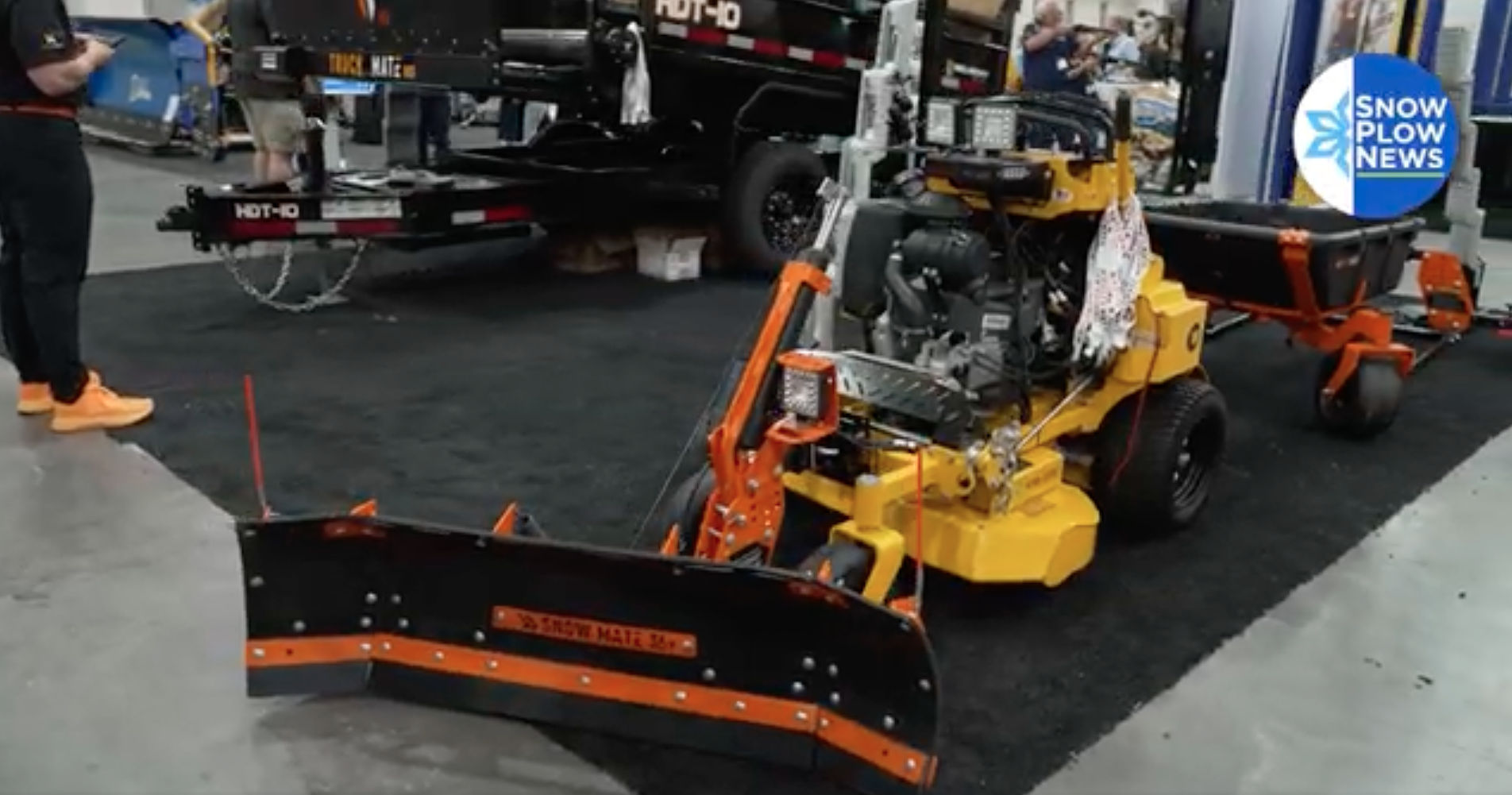
Instead of pushing contractors toward expensive dedicated snow fleets, Snow Mate bridges the gap—turning existing machines into winter-ready plowing systems.
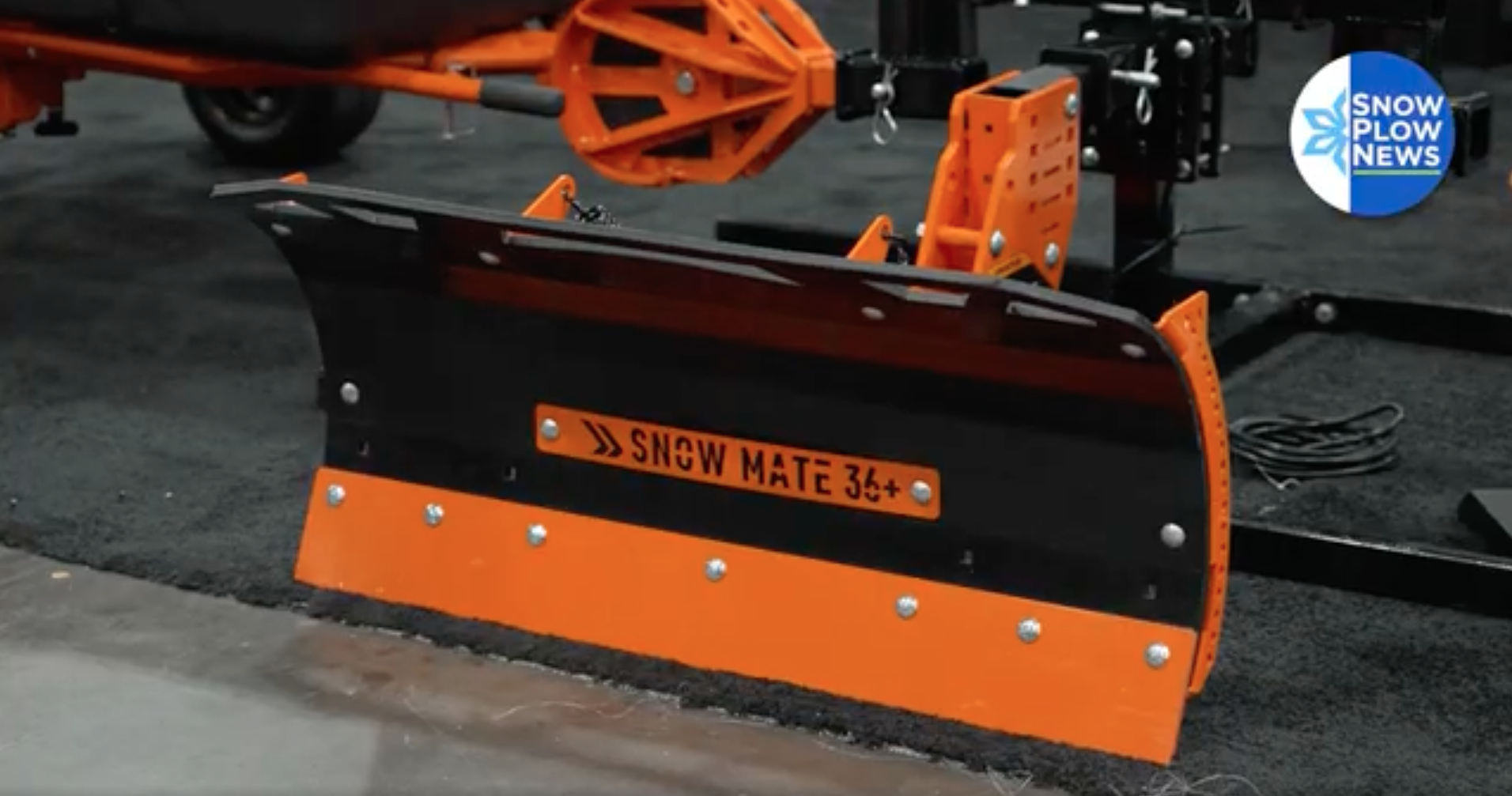
At its core, the system is intentionally straightforward: a lightweight, durable plow designed for mower platforms, built to extend the usefulness of equipment already on the lot.
UHMW, Steel, and a Focus on Durability Where It Matters
Material choice tells the story of how Snow Mate was engineered.
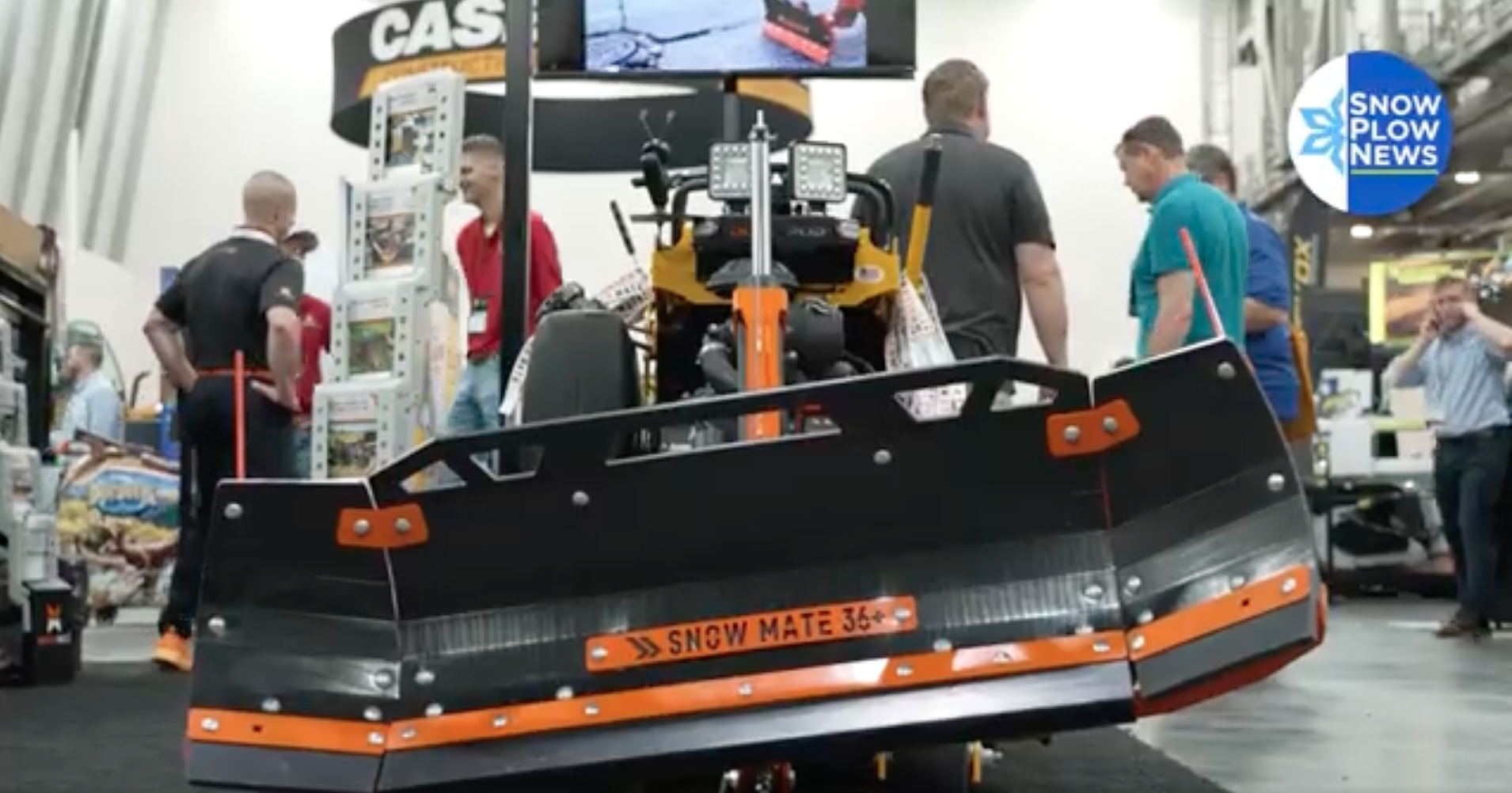
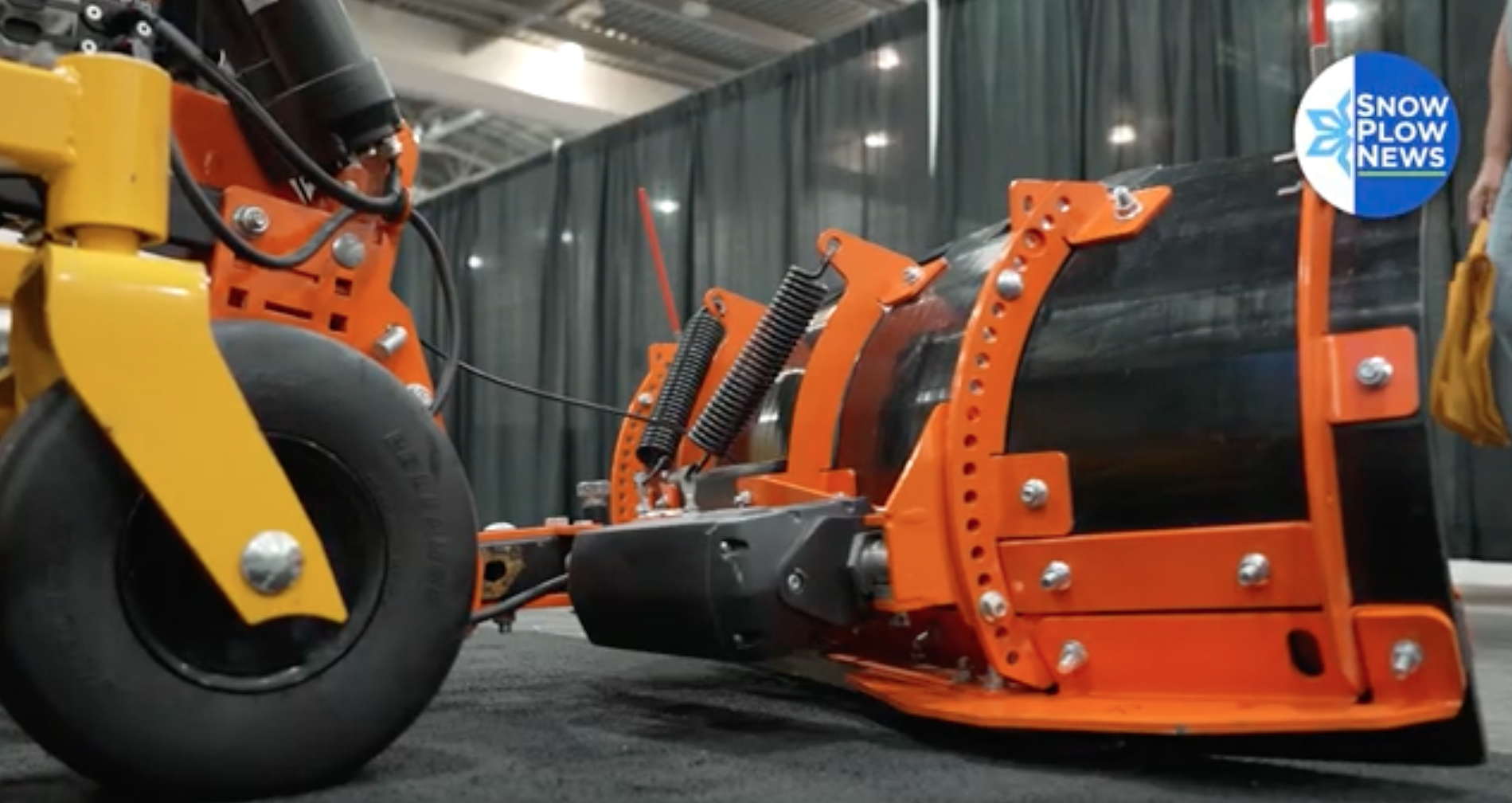
The plow is constructed from 3/8-inch UHMW, reinforced with steel structural support. That combination creates a system that stays light enough for mower operation while still capable of handling real-world abuse.
Carlson pointed to the realities of sidewalk plowing—uneven concrete, frost heaves, lifted seams, and hidden impacts that can destroy lesser equipment.
The steel reinforcement is there specifically for those moments. It gives the system the strength to absorb hits without compromising the lightweight design philosophy that makes it compatible with mower platforms.
Purpose-Built for the “In-Between” Work
Snow Mate is not trying to compete with full-size plow trucks or heavy municipal equipment. Instead, it targets the space those machines often don’t efficiently cover.
Think:
- Narrow walkways
- Long pedestrian paths
- Small commercial corridors
- Residential access routes
- Areas where shoveling is too slow and snowblowing is too much
These are the routes that quietly consume time and labor in winter operations.
Snow Mate is designed to streamline them.
For typical snowfall events—two to five inches, as Carlson notes—the system allows crews to move efficiently without overengineering the solution.
Familiar Equipment, Faster Adoption
One of Snow Mate’s most practical advantages is operational familiarity.
Because the system integrates with mowers contractors already know how to run, the learning curve is minimal. There’s no need to introduce entirely new machines or retrain crews on unfamiliar platforms.
That matters in the winter season, where timing and responsiveness are everything.
Operators “show up and get to work,” Carlson said—highlighting one of the product’s core value propositions: simplicity at the point of use.
A Different Approach to ROI
Beyond performance, Snow Mate is ultimately positioned as an economic tool.
By converting existing mowing equipment into winter revenue generators, contractors can improve utilization rates across the entire year. Instead of sitting dormant through the off-season, machines continue producing income.
At a price point of $1,199, Snow Mate sits in a category that is intentionally accessible compared to traditional snow-specific equipment investments.
The result is a lower barrier to entry for landscape companies looking to expand into snow removal—or stabilize revenue across seasons without expanding fleet costs.
Closing Perspective
Snow Mate reflects a broader shift in how contractors think about equipment: not just what it can do in peak season, but what it can be adapted to do year-round.
In Carlson’s framing, the goal is straightforward. Keep crews working. Keep equipment moving. And make winter operations less capital-intensive without sacrificing capability.
Or, as the product itself suggests—turn downtime into drive time.
Want more information on this?