
According to SIMA, the work doesn’t end with the final snowfall. Post-season snow operations—from site cleanup and fleet recovery to equipment repairs and client reviews—are critical to protecting assets and preparing for the next winter season.

As the winter season comes to a close, many contractors shift focus away from storm response and into spring operations. But according to SIMA and industry best practices, the work doesn’t end with the final push.
Post-winter cleanup is one of the most important — and often overlooked — phases of a successful snow and ice management operation.
From site restoration and fleet recovery to contract reviews and team debriefs, the offseason is where contractors can protect assets, strengthen client relationships, and build a stronger foundation for next winter.
Site Cleanup and Spring Walkthroughs
Once snowpack disappears, winter’s impact becomes visible.
Salt residue, abrasives, plow scarring, damaged curbing, and debris left behind from snow piles can quickly become safety concerns if not addressed.
A formal spring walkthrough should include:
- sweeping paved surfaces
- clearing catch basins and drains
- inspecting curbs and sidewalks
- documenting site damage
- comparing conditions to preseason inspections
This process helps reinforce to customers that winter service is part of comprehensive site care, not just storm response.

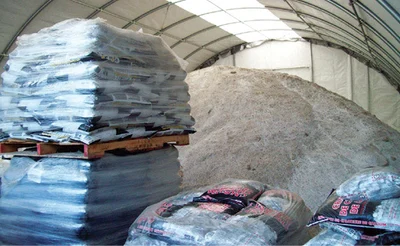
Salt Storage and Material Areas
Material storage areas should also be part of the postseason reset.
Spring is the ideal time to:
- clean salt sheds
- remove caked material
- inspect containment systems
- repair tarps and pads
- reconcile remaining inventory
With increasing focus on chloride management and environmental compliance, clean storage practices also reflect operational maturity and professionalism.
Fleet Recovery and Corrosion Control
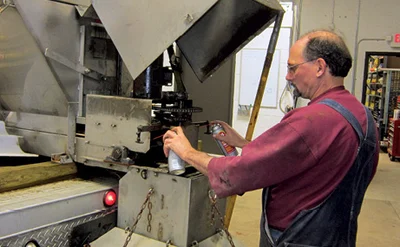
Salt exposure continues to impact equipment long after the final storm.
A strong postseason fleet program should include:
- undercarriage washing
- corrosion neutralization
- brake and suspension inspections
- electrical system checks
- rust mitigation
Addressing corrosion in spring can significantly extend vehicle life and reduce in-season failures next winter.
Equipment Repairs and Offseason Maintenance
The most cost-effective time to repair plows, spreaders, loaders, and sidewalk equipment is when they are not actively needed.
This is the time to inspect:
- hydraulic lines
- wiring harnesses
- welds
- mounting points
- cutting edges
- spinner and auger systems
Spring maintenance reduces lead-time pressure and helps avoid costly emergency repairs during the season.
For SIMA’s full blog on Post-winter clean-up and operational review, visit their blog here.
More Resources from SIMA
For contractors looking to take their offseason planning a step further, SIMA offers a wide range of resources designed to help teams close out the season and prepare for the next one.
Additional recommended resources include:
These resources can help snow and ice professionals evaluate performance, strengthen customer retention strategies, and make data-driven decisions around fleet, materials, staffing, and procurement.