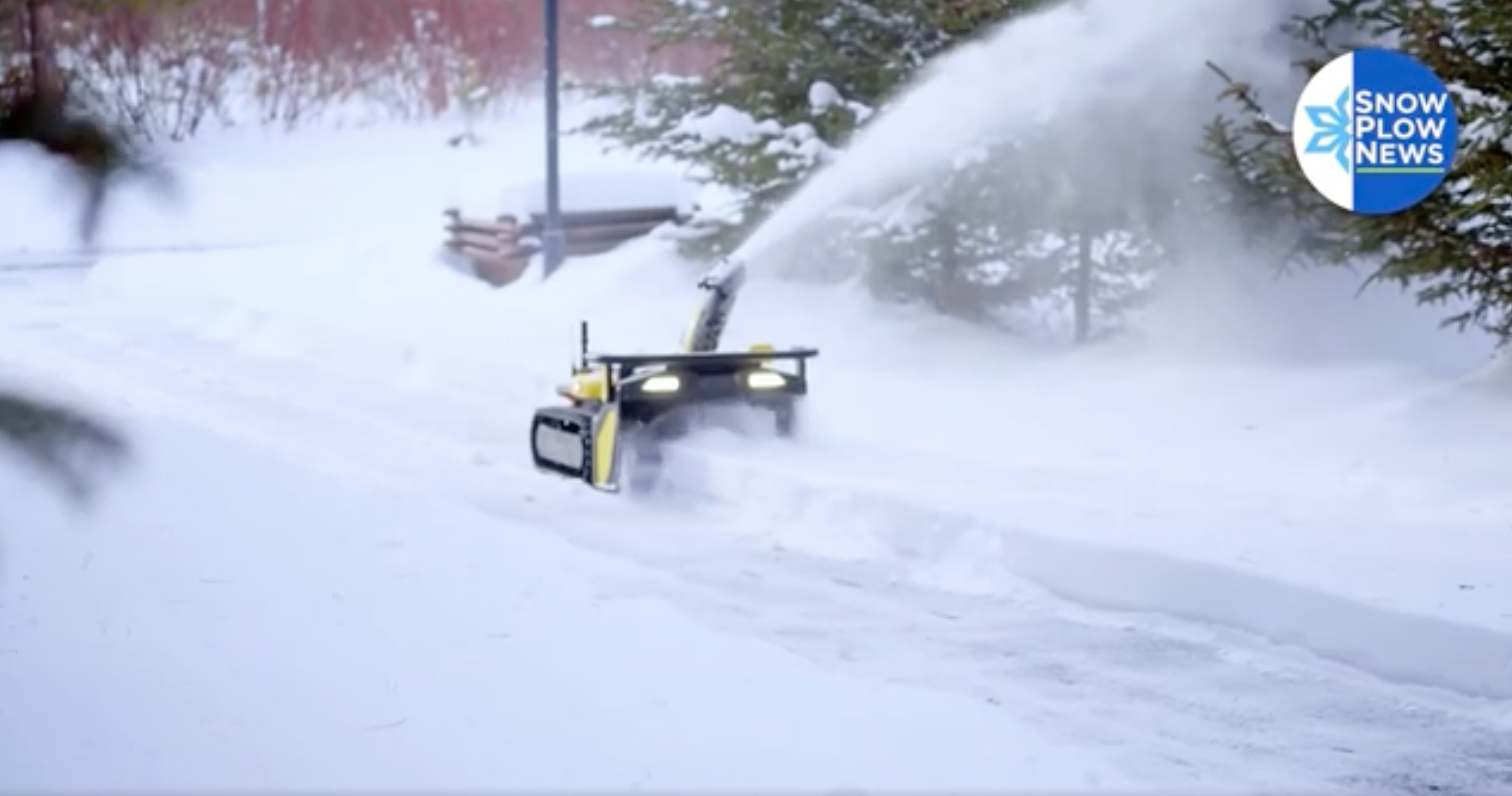
Autonomous snow removal is changing the industry. In our latest interview, Kenneth Kohlmann of shares how innovation is helping redefine winter operations.
The snow and ice management industry is undergoing a noticeable shift as automation and robotics begin to move from concept to real-world application. To better understand what this means for contractors, municipalities, and property owners, Snow Plow News spoke with Kenneth Kohlmann of Yarbo about where the industry is headed and how autonomous technology is being applied to winter operations.
At the center of the discussion is a broader question facing the industry: how do you increase efficiency and maintain service levels at a time when labor shortages, rising costs, and unpredictable weather events are putting increased pressure on operators?
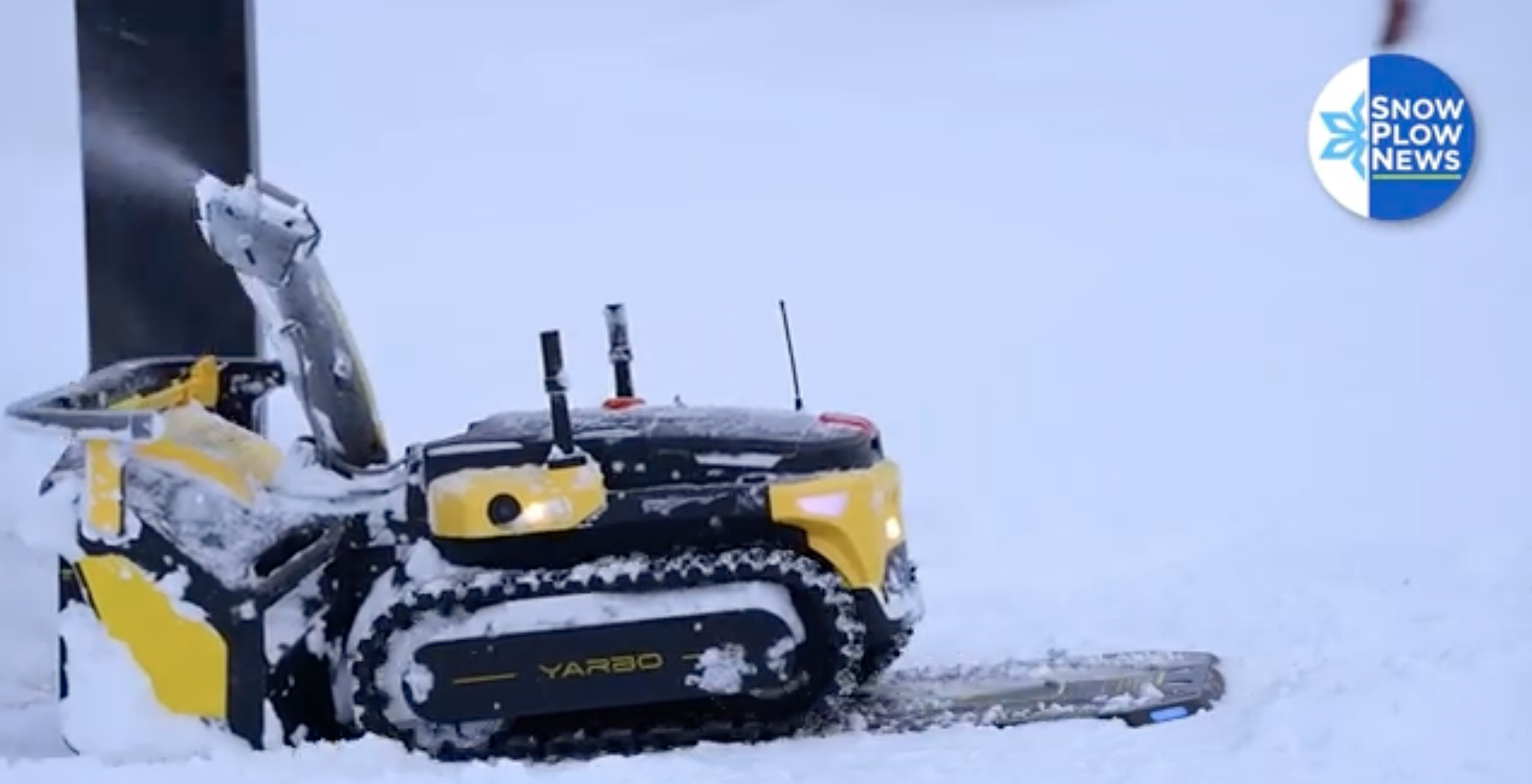
According to Kohlmann, automation is not about replacing the snow and ice workforce, but about expanding what is possible during winter events. The goal is to reduce repetitive manual tasks and help operators focus on higher-value work, especially during long-duration storms or high-volume service routes.
One of the most significant developments in this space is the rise of autonomous snow removal systems. These machines are designed to handle basic clearing tasks such as driveways, sidewalks, and smaller service areas with minimal human intervention. While still an emerging technology, they represent a shift in how winter maintenance equipment is being designed and deployed.
Kohlmann emphasized that real-world performance is the true test for any snow removal technology. Unlike controlled environments, winter conditions are unpredictable and often extreme. Equipment must operate in cold temperatures, variable snow densities, and around obstacles that can change from one storm to the next.
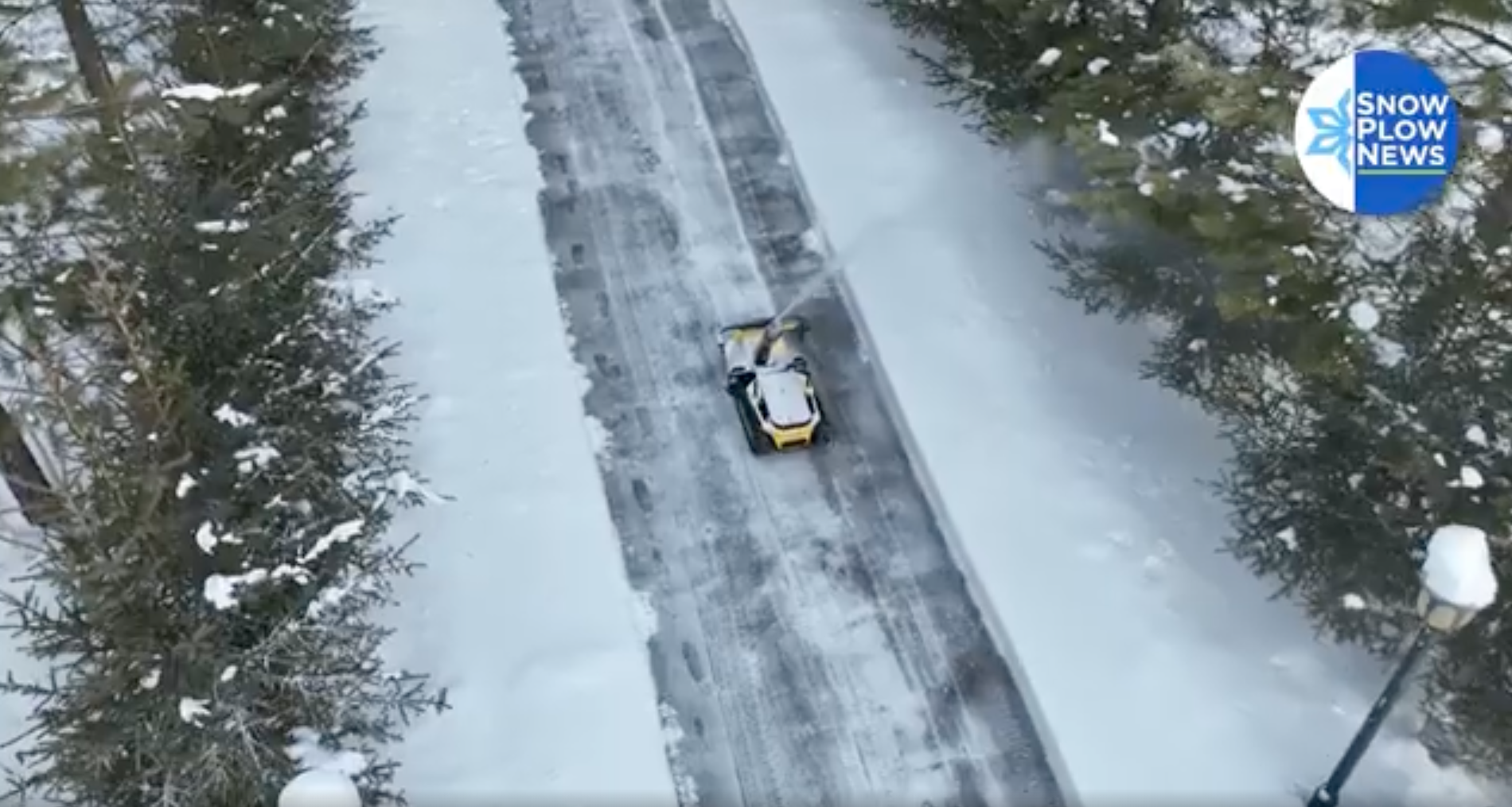
That operational reality has shaped how Yarbo approaches product development, with a focus on building systems that can adapt to changing conditions while maintaining consistent performance.
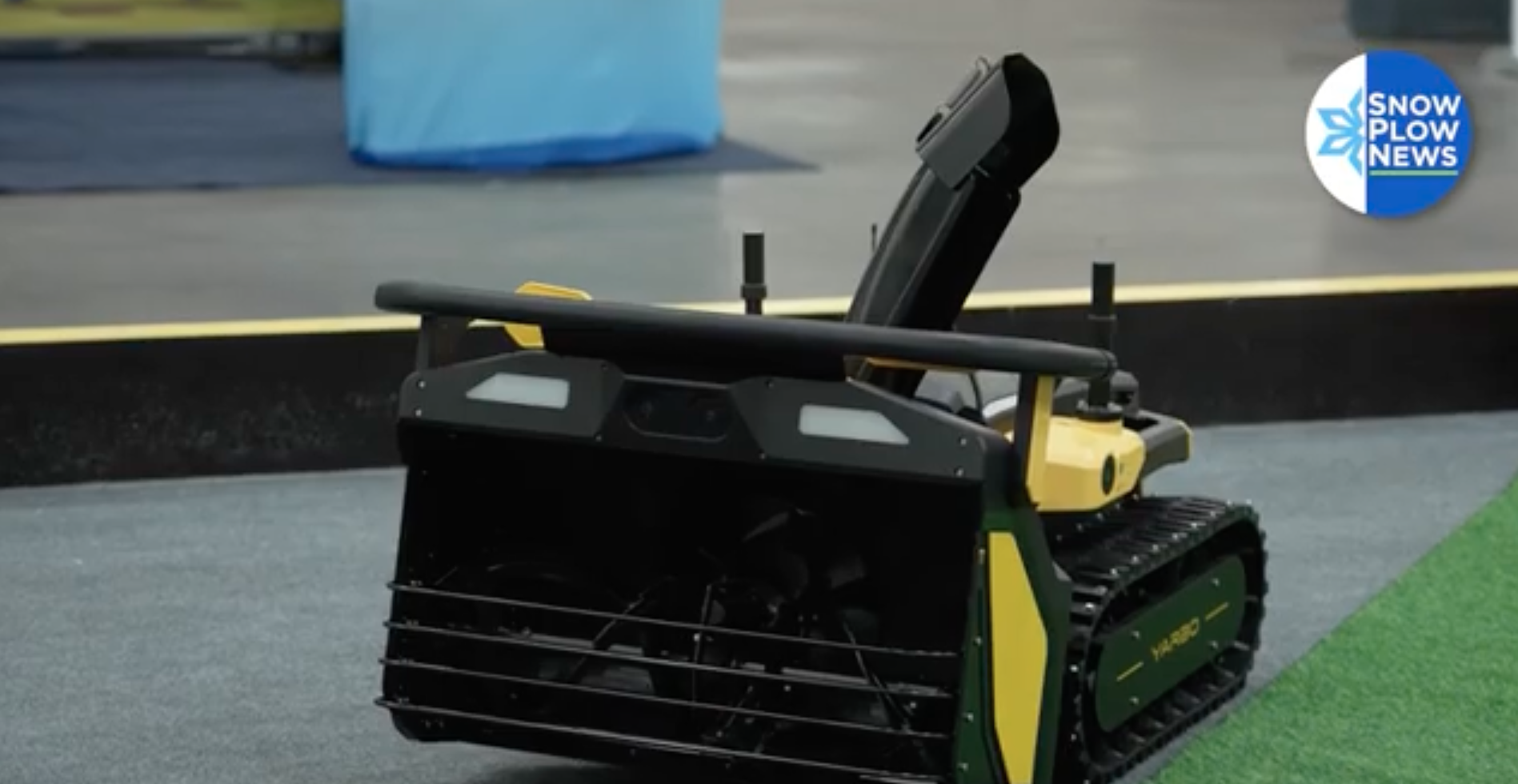
Beyond automation itself, the conversation also touched on the broader trend toward multi-season equipment platforms. Rather than designing single-purpose machines, the industry is increasingly moving toward modular systems that can be used year-round for snow removal, mowing, and general property maintenance. This approach offers greater utility and efficiency for users who want to maximize equipment investment.
For snow and ice contractors, these developments raise important questions about how fleets may evolve in the coming years. While traditional plows, blowers, and skid steers remain essential tools, autonomous systems may soon play a supporting role in handling smaller or repetitive tasks.
As the industry continues to adapt to new challenges, innovation like this is expected to play a growing role in shaping operational strategies. Whether it is addressing labor constraints, improving route efficiency, or expanding service capabilities, technology is becoming an increasingly important part of the winter maintenance conversation.
Kenneth Kohlmann of offers a perspective that reflects this transition: not a replacement of the industry’s workforce, but an evolution in how that workforce is supported.
As snow and ice management continues to modernize, conversations like this highlight where the industry may be headed next — and how quickly that future may arrive.