
Holland, Michigan operates North America’s largest publicly owned municipal snowmelt system, heating nearly 700,000 square feet of pavement and sidewalks.
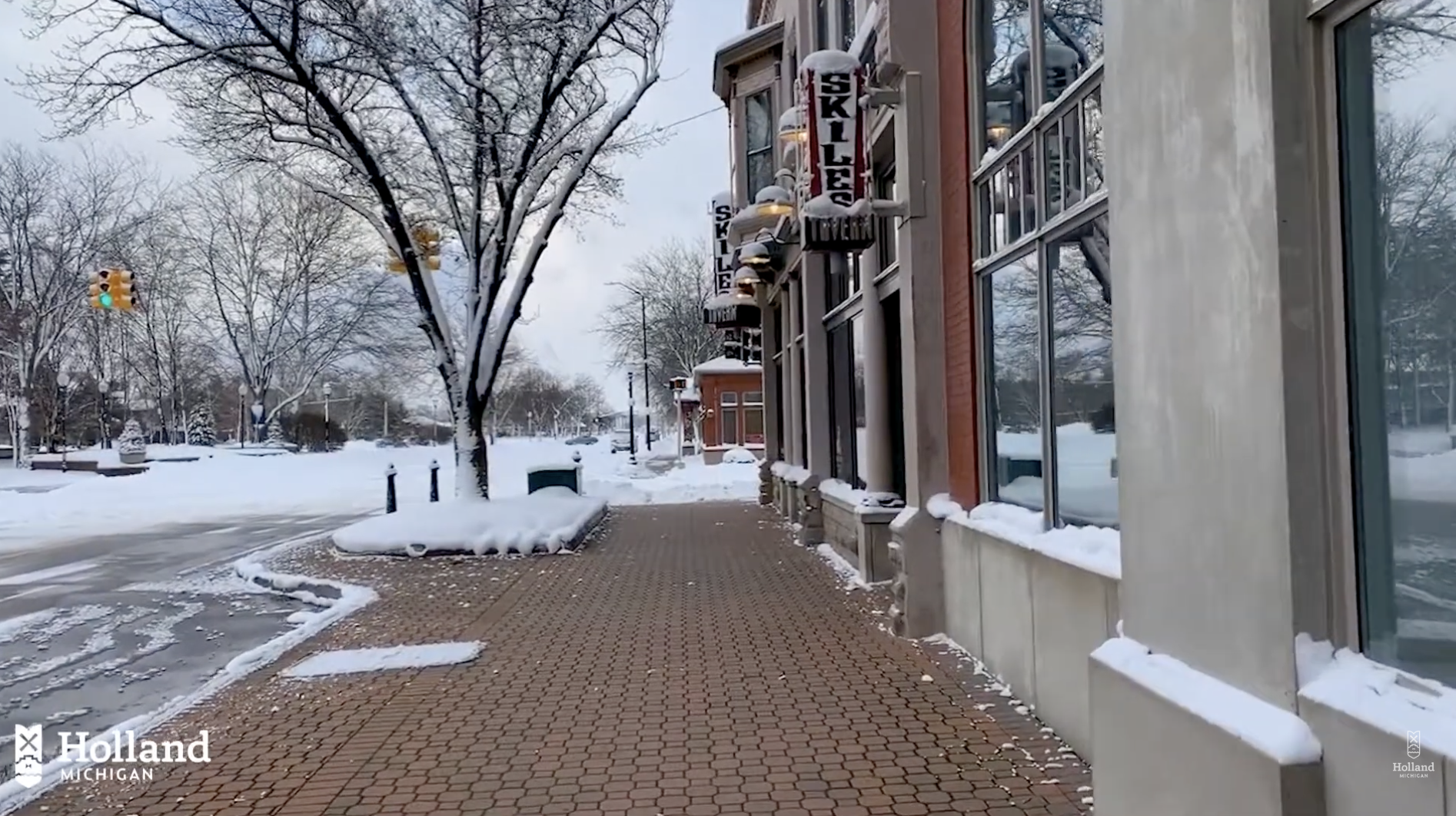
In the snowy heart of West Michigan, Holland, Michigan has become famous for something many cities can only dream about: streets and sidewalks that stay largely snow-free throughout the winter without constant plowing or salting.
What It Is
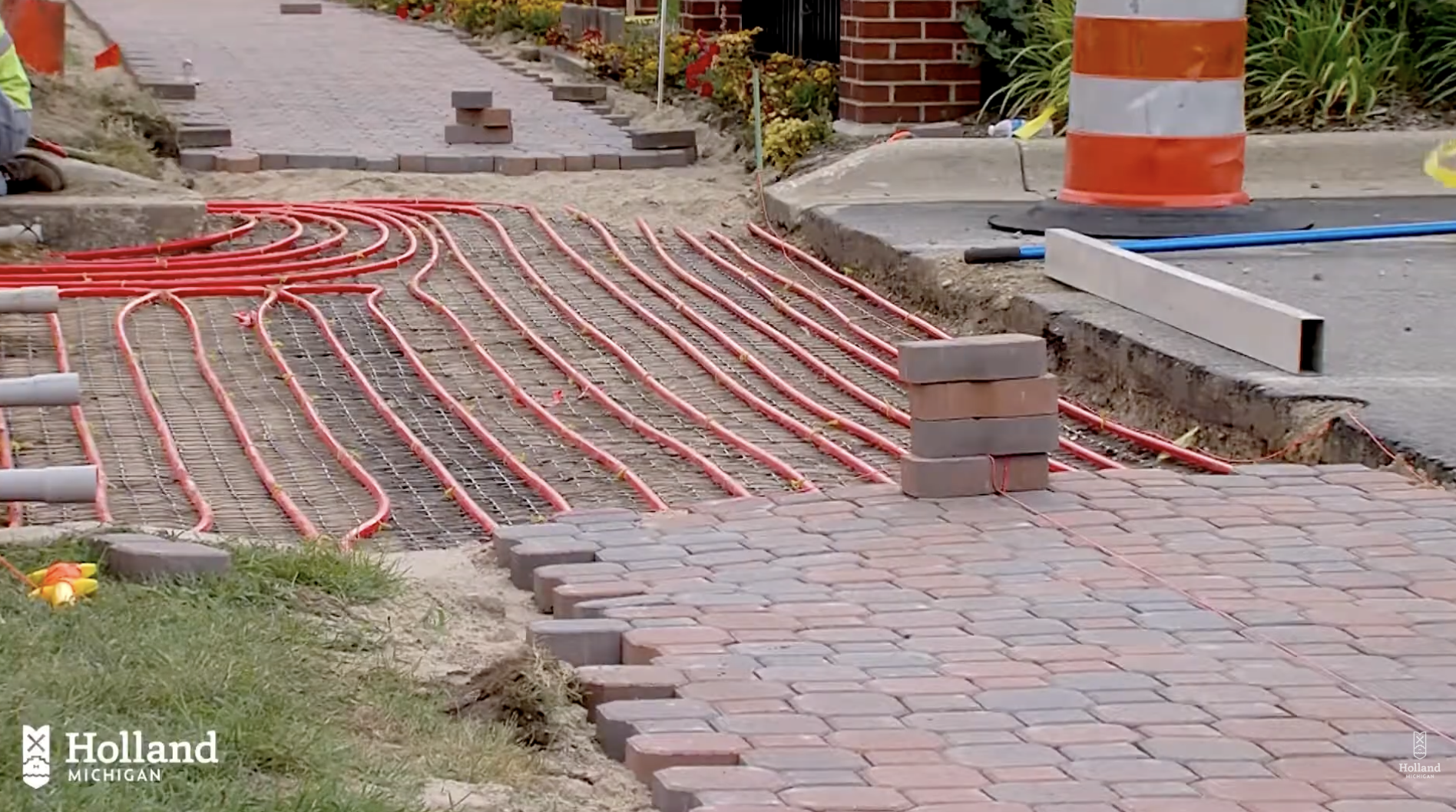
Holland’s snow melting system is a hydronic snowmelt network built into the downtown infrastructure. Warm water circulates through miles of tubing beneath roads and sidewalks, melting snow before it has a chance to accumulate.
In fact, the system is the largest publicly owned municipal snowmelt system in North America — covering roughly 690,000 square feet of heated pavement and sidewalk space, with an additional ~190,000 square feet of privately connected systems.
How It Works
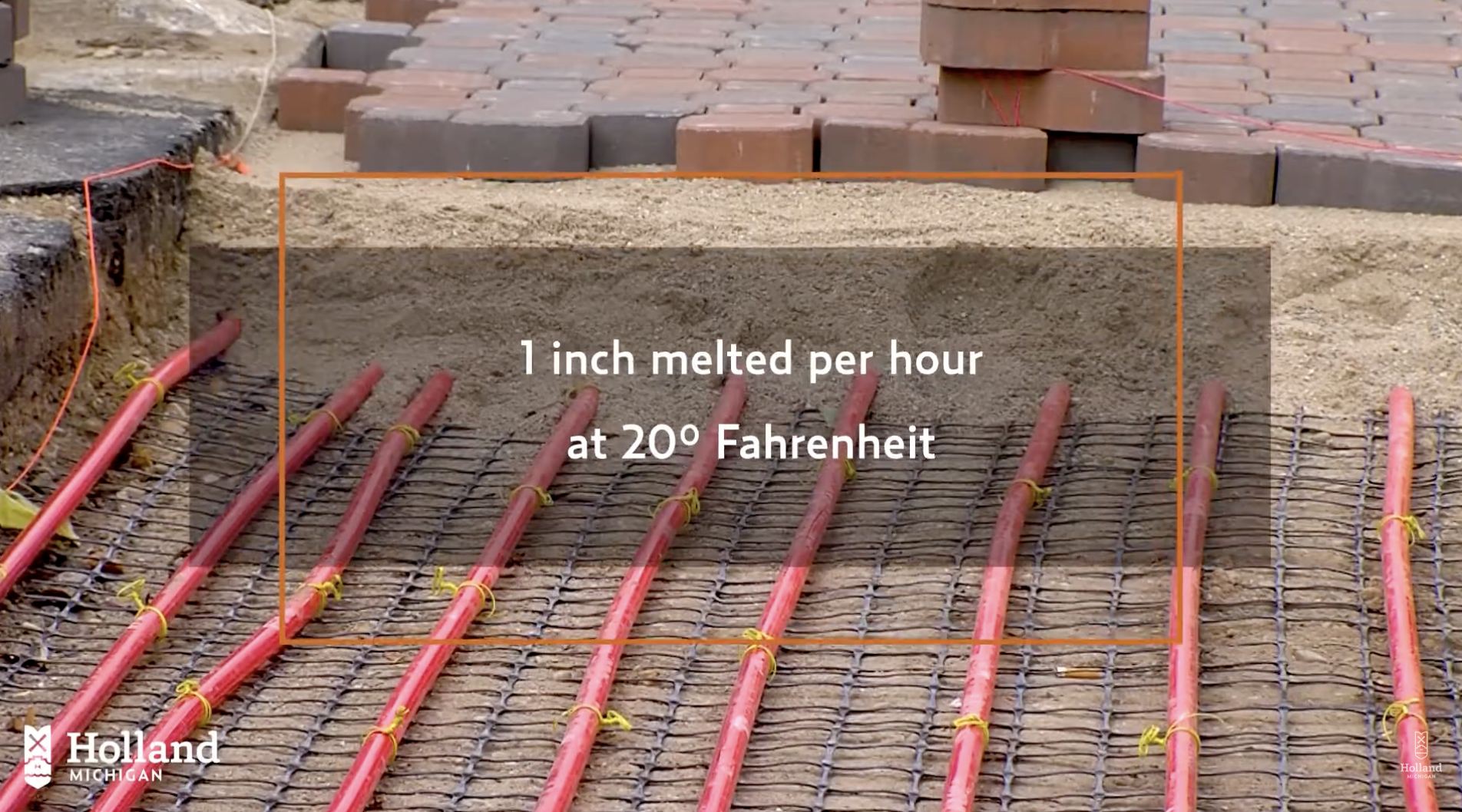
Rather than relying on traditional snow management during storm events, Holland uses a closed loop hydronic system that circulates hot water at about 95°F through tubing laid under surfaces. The heat melts up to 1 inch of snow per hour even in 20°F weather with wind.
Originally installed in 1988 and expanded over decades, the system uses waste heat from local power generation (now from the Holland Energy Park) — an energy-recovery strategy that helps reduce operating costs and environmental impact.
Why It’s Noteworthy
For a city averaging 60-70+ inches of snow a year, the system has had a dramatic impact:
- No routine plowing or salting needed downtown, reducing labor costs, equipment wear, and salt damage.
- Safer pedestrian surfaces — ice and snow are much less of a slipping hazard.
- Winter-friendly urban experience — locals and visitors alike can walk through downtown comfortably in winter, which benefits local businesses.
- Local running groups and magazines have even highlighted Holland as a winter running destination thanks to reliably clear sidewalks.
It’s exactly this combination of practicality and quality of life that has drawn national coverage from outlets like FOX Weather and others over recent winters.
Local and Technical Notes
- The system runs year-round to be ready for snow events, with maintenance and distribution costs factored into municipal planning.
- The closed system helps limit sediment and wear on valves, especially after switching from Lake Macatawa water to potable water sources in 2016.
How It Compares
Compared to traditional plowing and salting, which most U.S. towns depend on:
|
Feature |
Holland Snowmelt |
Traditional Snow Management |
|---|---|---|
|
Labor Needs |
Low once installed |
High every storm |
|
Pedestrian Safety |
High |
Variable |
|
Infrastructure Wear |
Reduced salting damage |
Salt and plow wear |
|
Environmental Impact |
Less chemical runoff |
More de-icer in environment |
This system represents a technologically ambitious alternative to winter maintenance — one that many northern cities admire but few have replicated at this scale.
Local Contractors and Options
For residents or property owners inspired to install their own systems, several local HVAC and radiant heat contractors offer heated driveway and sidewalk snowmelt solutions in the Holland area, including:
- Mast Heating & Cooling – highly-rated HVAC contractor known for custom snow melt installations and service.
- Macatawa Radiant – local radiant heating professionals with snow melt experience.
- K & S Plumbing – general contractor that lists snow melt systems among services.
These businesses reflect a growing local demand for private snow melt systems that bring Holland’s winter convenience to individual homes and businesses.