
A payment dispute in Washington, D.C. has left more than 100 snow contractors waiting on millions after January storm work, raising broader questions about emergency snow contracts and compensation rules.
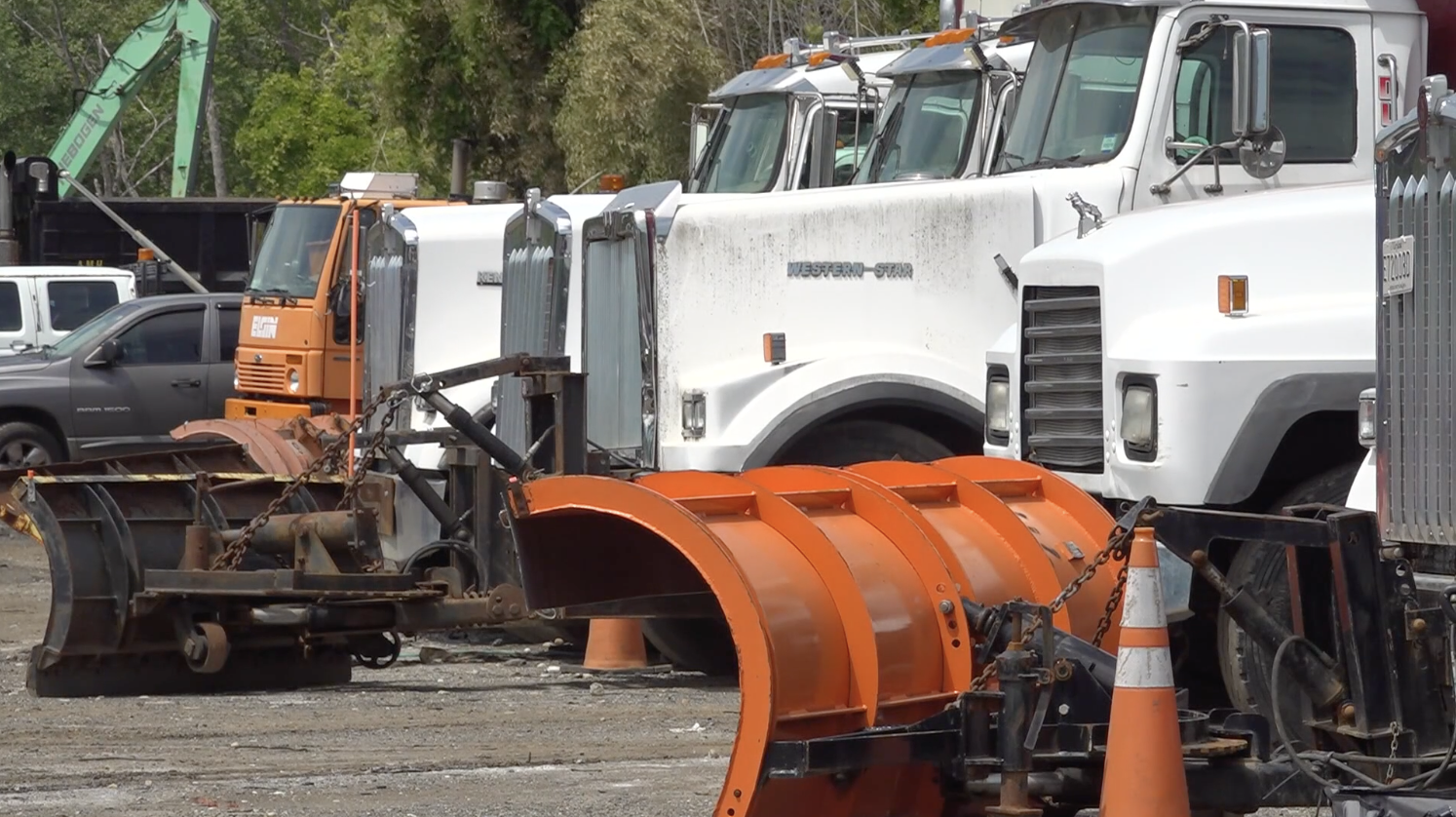
Source: WUSA9
A payment dispute following January’s historic snowstorm in Washington, D.C., is drawing attention across the snow and ice management industry and raising important questions about emergency operations, contractor expectations, and how storm response contracts are structured.
According to reporting from WUSA9, more than 100 subcontracting trucking companies are still seeking payment for work performed during the January snow event after the District declined to approve millions of dollars in disputed invoices.
At the center of the disagreement is a significant difference in how contractors and the city interpret compensation for emergency snow removal operations.
The Dispute
The controversy involves District Logistics, a primary contractor hired to support snow removal efforts during the storm, and the numerous subcontractors who provided trucks, operators, and support services during the response.
Contractors involved in the event say drivers worked around the clock during the declared snow emergency, with many operating in 24-hour shifts to help keep roads open and restore travel throughout the city.
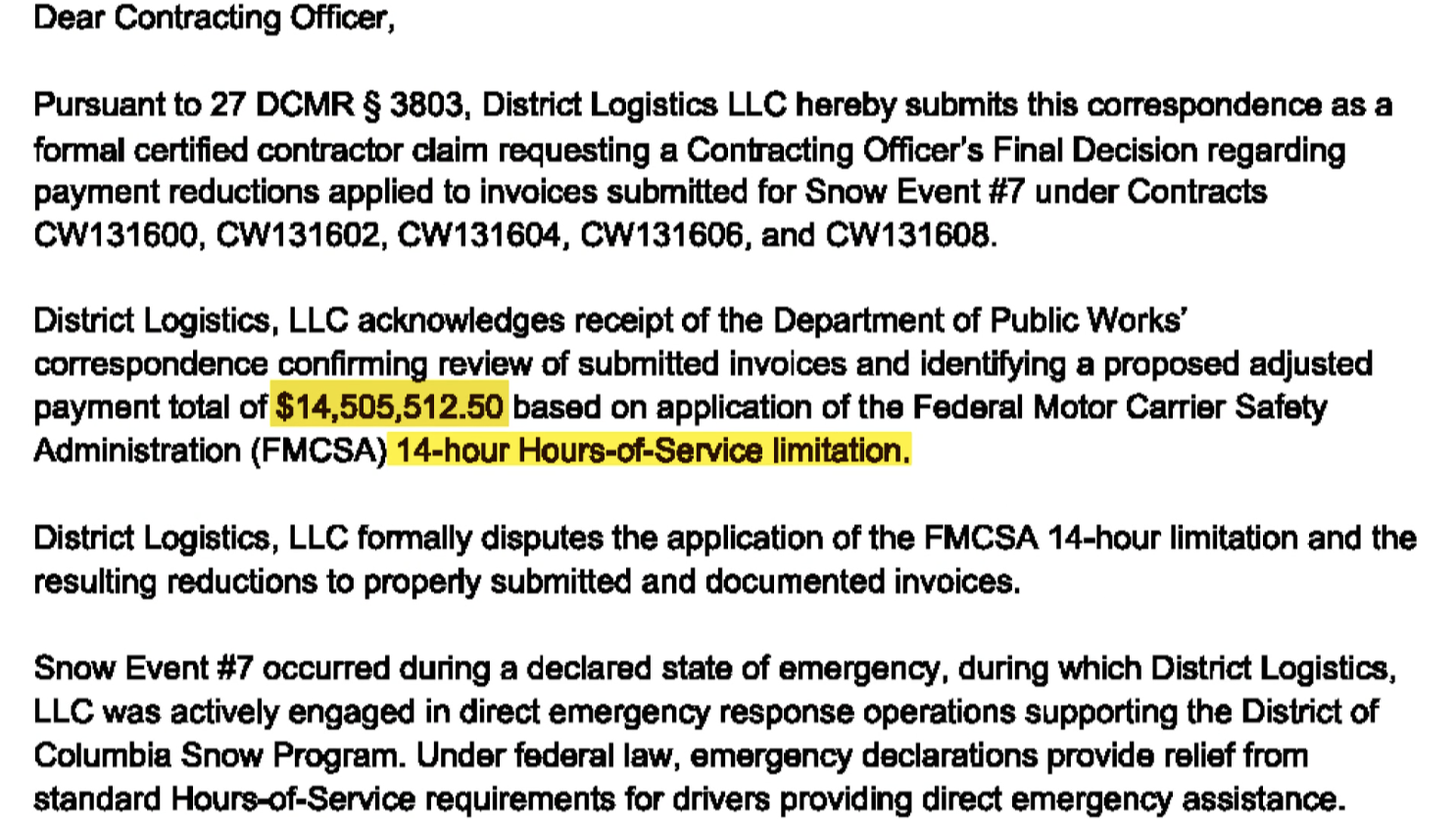
However, city officials reportedly approved payment based on a maximum of 14 hours per day per driver, citing federal Hours of Service regulations that generally limit commercial vehicle operators to 14 consecutive hours of work.
Contractors argue that emergency exemptions exist specifically for situations like severe snowstorms and that they were never informed during the event that hours beyond 14 would not be compensated.
According to WUSA9’s reporting, subcontractors also claim city representatives signed daily snow operation reports documenting the extended shifts being worked throughout the storm response.
Why Contractors Are Concerned
For many snow contractors, the issue extends far beyond a single storm.
Major snow events often require extraordinary operational efforts. Equipment runs continuously. Operators work extended schedules. Support staff coordinate fueling, maintenance, dispatching, and logistics around the clock.
During large-scale emergency events, contractors frequently make business decisions based on the expectation that all authorized work performed will be compensated.
When questions about billing arise months after an event concludes, contractors can face significant financial pressure.
Several subcontractors interviewed by WUSA9 described challenges paying fuel bills, insurance expenses, and other operating costs while waiting for the dispute to be resolved.
For smaller operators in particular, delayed payments can create cash flow issues that linger long after the snow has melted.
Source: WUSA9
The Importance of Contract Clarity
While the details of this specific dispute will likely be examined through the formal appeals process, the situation highlights an important lesson for municipalities, prime contractors, and subcontractors alike: expectations must be clearly defined before a storm arrives.
A Broader Industry Issue
The snow and ice industry depends heavily on trust between municipalities, prime contractors, and subcontractors.
During severe weather events, contractors are often asked to mobilize equipment immediately, commit resources for extended periods, and respond to changing conditions with little notice.
That relationship works best when expectations are clearly communicated and consistently applied.
Whether the Washington, D.C. dispute ultimately results in additional payments, a negotiated settlement, or legal action, it serves as a reminder that contract language, emergency provisions, and documentation procedures matter just as much as operational performance during a storm.
For contractors preparing for future winter seasons, now may be a good time to review municipal agreements, emergency response clauses, and billing procedures before the next major snowfall arrives.
Looking Ahead
The District has reportedly directed contractors to pursue any disagreements through the formal contract appeals process. As a result, the dispute may continue for months before a final resolution is reached.
In the meantime, snow and ice professionals across the industry will be watching closely.
The outcome could provide valuable insight into how emergency operations, contractor compensation, and storm response agreements are interpreted when significant dollars are on the line.
Source: Reporting by WUSA9.