
Norcast has published their Winter Outlook Forecast for the upcoming 2025-2026 winter season.
Winter 2025–26 Recap: What It All Means for You
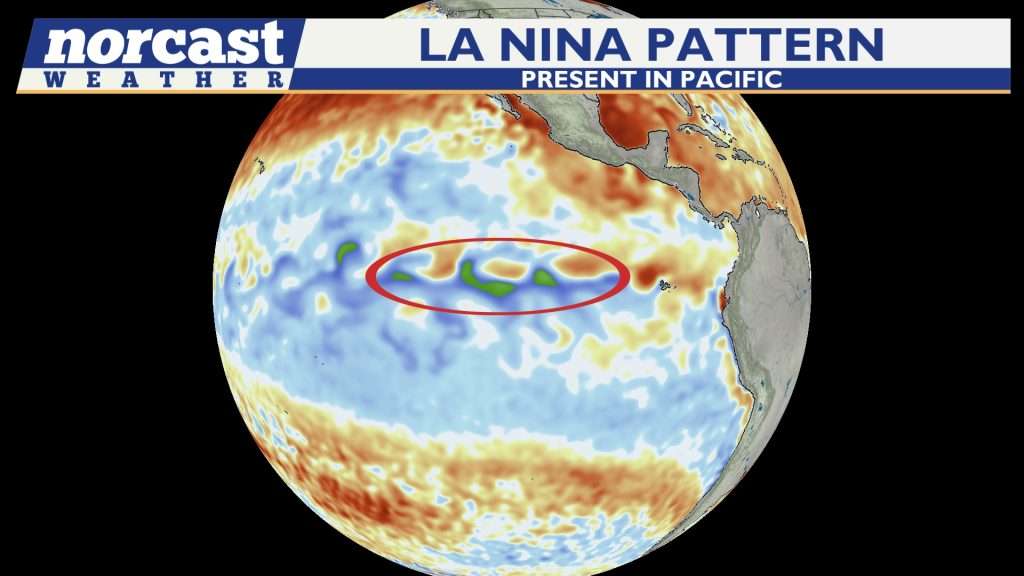
When you take all the atmospheric signals together — the La Niña-to-neutral transition, the shifting jet streams, the early-season temperature swings, and the late-winter wildcard factors — one message becomes clear:
This winter won’t be defined by constant cold or endless storms… but it will be defined by variability.
For the general public, that means you’ll feel those classic back-and-forth swings: mild days, sudden cold snaps, messy travel systems, and a storm or two with real impact depending on where you live. It won’t be the snowiest winter on record, but it won’t be a “dud,” either. Different parts of the country will have very different experiences — a busy northern tier, quieter southern tier, and a constantly shifting middle zone where temperature is the deciding factor. This has the potential to be one of the snowiest years we have seen in several winters in the Midwest and Great Lakes (i know that might not be saying much).
For snow contractors, facility managers, and anyone responsible for winter operations, the story is a bit different. A winter full of fluctuations means:
- More freeze–thaw cycles
- More black ice mornings
- More marginal-temperature headaches
- More light but necessary treatment events
- And the potential for a late-season punch if blocking returns or the Polar Vortex weakens
These are the winters that test planning, preparation, and the ability to react quickly. They’re not straightforward, and they’re not the kind you can “set and forget.” They reward the people who stay ahead of the pattern — not just the next storm.
And that’s exactly where reliable, hyper-local forecasting becomes crucial.
Visit Norcast for the detailed forecast here.
Want more information on this?