AccuWeather® long-range experts say the approaching winter season will be stormy for millions of people across the upper Midwest and Central United States.
What Snow Contractors Can Expect
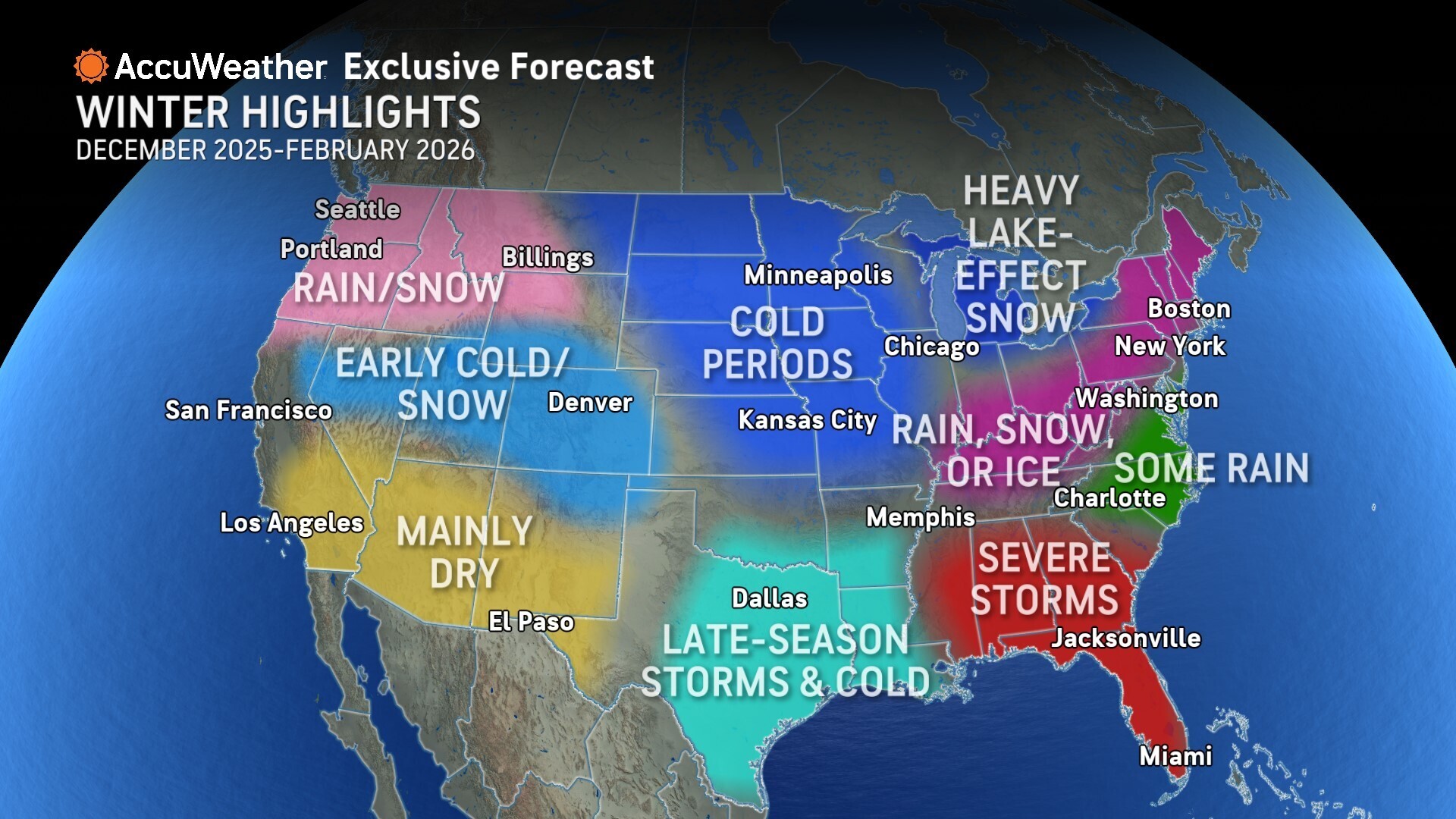
AccuWeather long-range forecasters say the upcoming season will bring a “bookend” pattern for much of the central and eastern U.S. — with the most intense storms expected at the start and end of winter. Early-season systems may develop in Canada and track into the Midwest, before sweeping into the Northeast and mid-Atlantic. Later in the season, the storm track shifts, aiming powerful systems through the Plains and Mississippi Valley before curving into the Appalachians and Midwest.
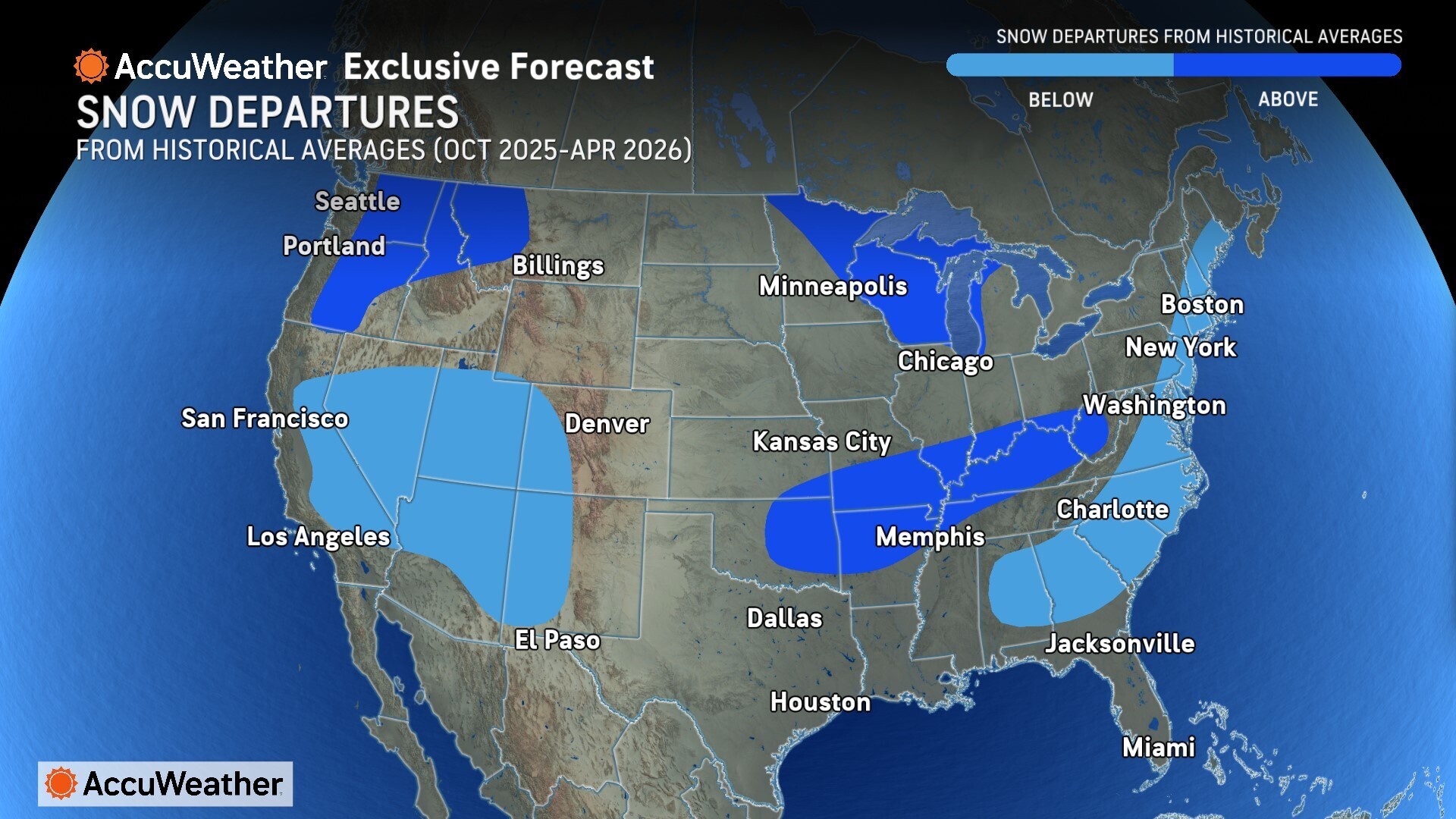
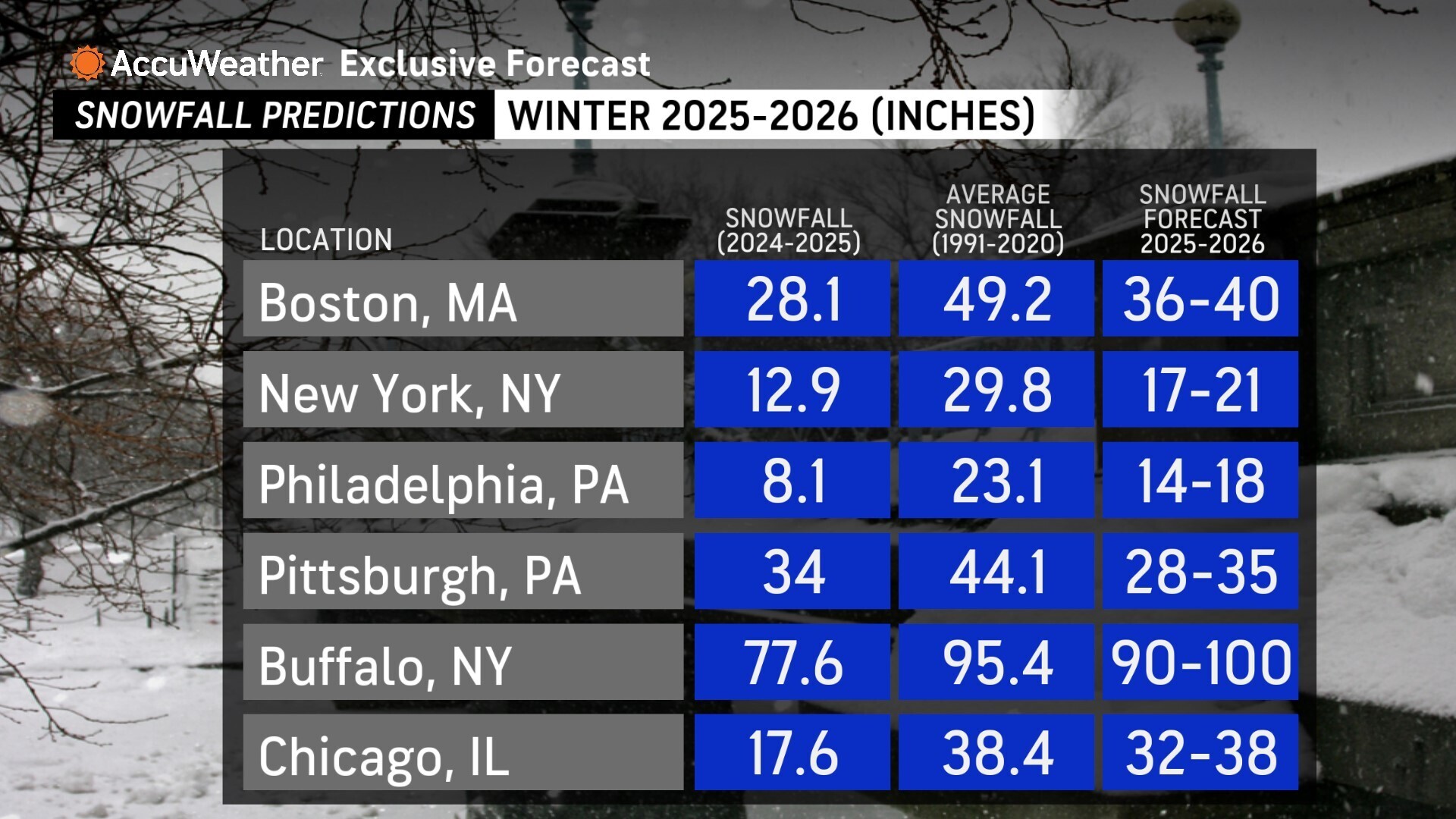
Some of these storms could strengthen into full-blown nor’easters, bringing heavy snow to population centers along the I-95 corridor. Meanwhile, December looks especially active for the Great Lakes region, where cold blasts will trigger heavy lake-effect snow. Buffalo, New York, is forecast to see near its historical average, with 90–100 inches possible.
For plow operators and contractors, that means a busy December may set the tone for the rest of the winter.
Heating Bills on the Rise
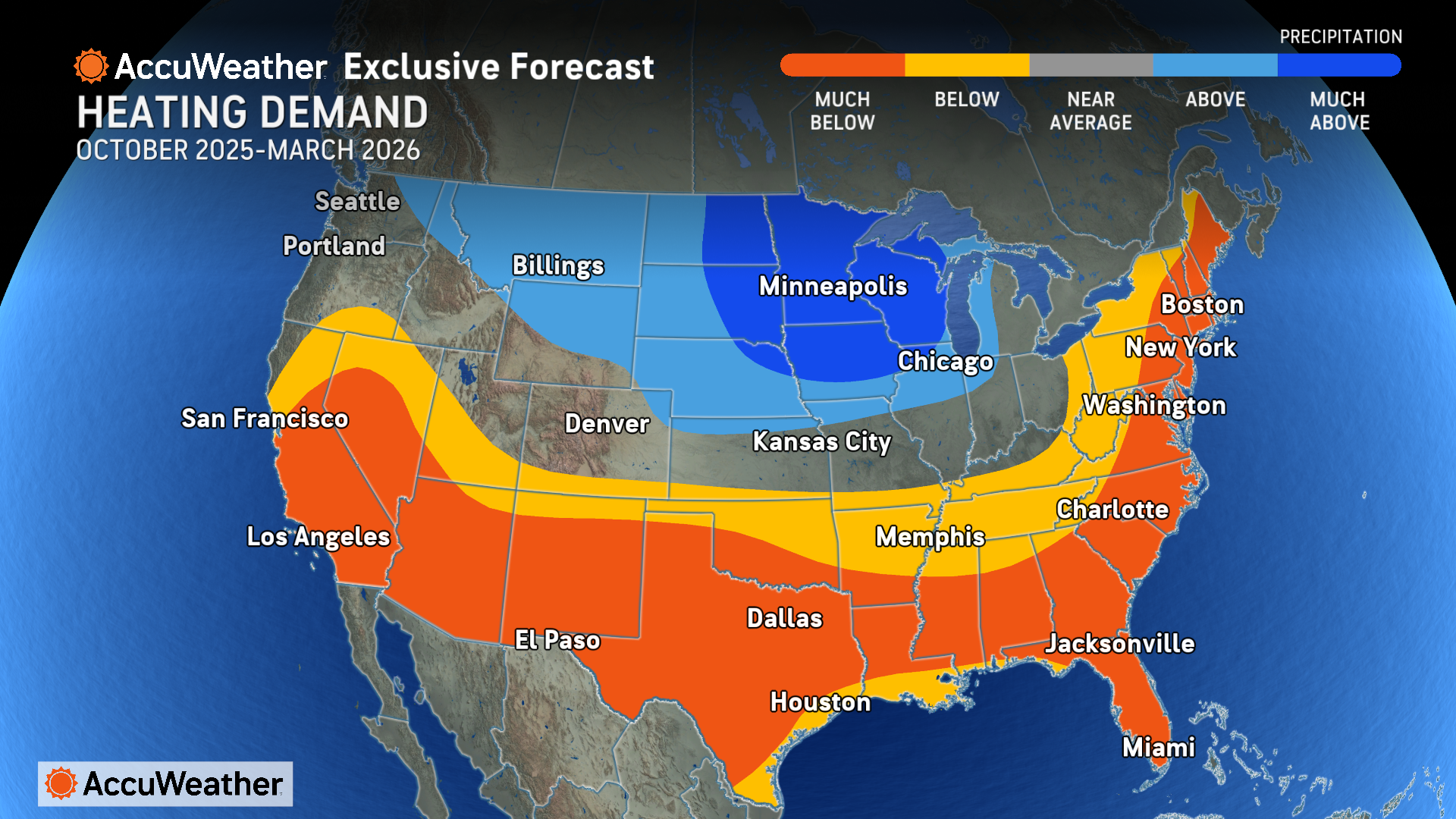
Snow isn’t the only headline — so is the cold. Forecasters expect below-historical average temperatures across 17 states in the Plains and Midwest. Cities like Minneapolis, Chicago, and Kansas City could see multiple blasts of Arctic air.
Paul Pastelok, AccuWeather’s lead long-range meteorologist, cautioned that heating demand “will likely be well above average in the upper Midwest this winter,” which means homeowners and businesses could face significantly higher heating bills.
While parts of the South and West may escape the brunt of the cold, rising energy costs could still make winter expensive across much of the country.
Drought Concerns Out West
On the flip side, the West Coast and Southwest are expected to remain warm and dry, thanks in part to a marine heat wave in the northern Pacific Ocean. This pattern raises red flags for worsening drought conditions in California, Nevada, and Arizona, and could even increase the risk of out-of-season wildfires.
Storms will still reach the Pacific Northwest and northern Rockies, helping to build snowpack, but the storm track is expected to retreat northward by February, leaving much of California and the Southwest with little relief.

The La Niña Factor
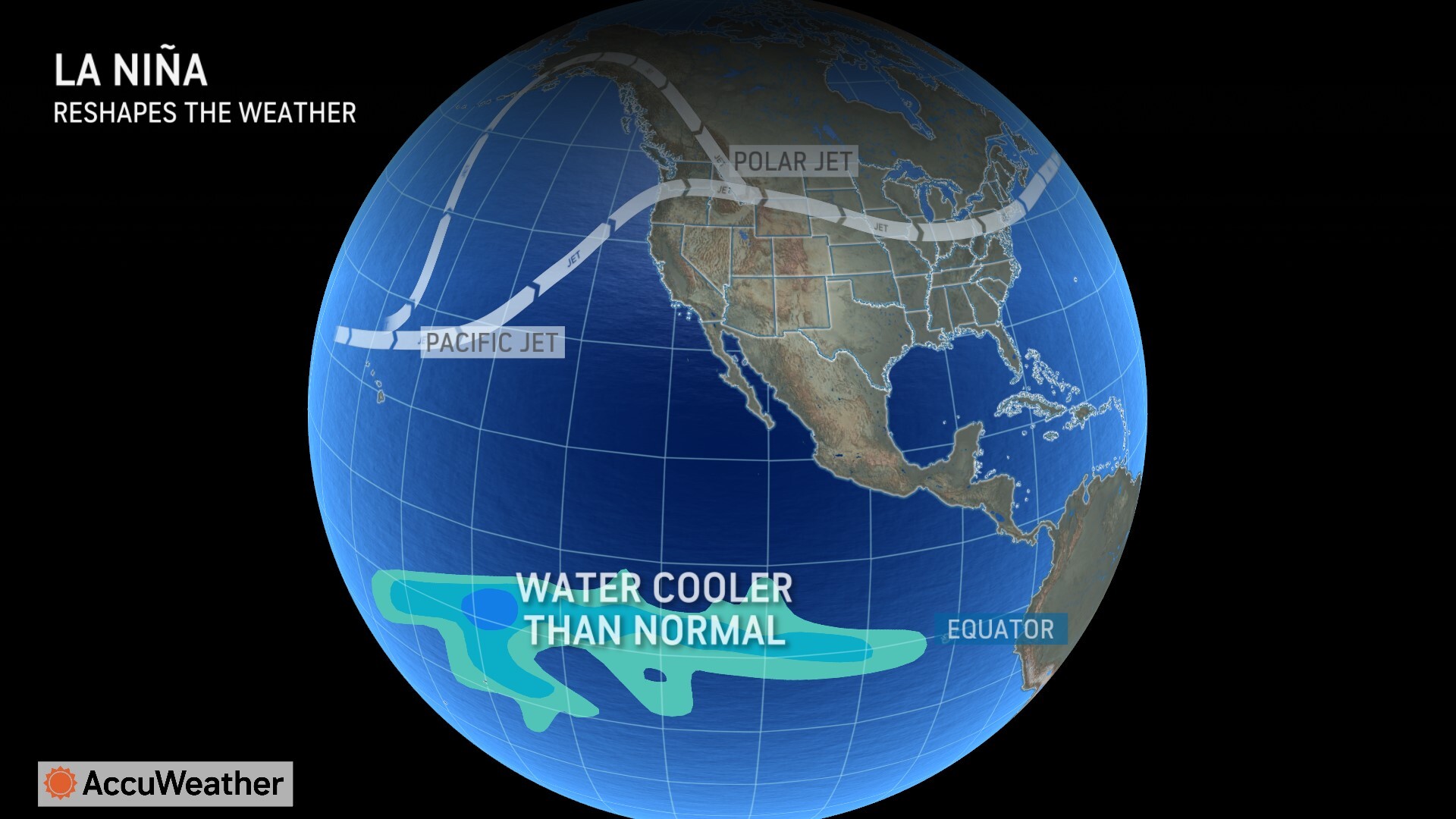
Adding another twist: a La Niña Watch has been issued by NOAA. If La Niña conditions develop, they could reinforce warmer conditions across the southern tier of the U.S. while allowing frigid air to dominate the Midwest and Northeast. Even a weak La Niña could steer the storm track in ways that bring surprises late in the season.
Bottom Line for Snow Professionals
- Midwest & Great Lakes: Expect above-average snow and extended cold — higher demand for plowing and salting.
- Northeast & Mid-Atlantic: Potential for early-season nor’easters and late-season systems, though midwinter may bring more mixed events.
- South: Fewer cold snaps overall, but late-winter Arctic intrusions could still bring ice and snow risks.
- West: Drier, warmer, and drought-prone, with fewer atmospheric rivers compared to last year.
All in all, this winter forecast points to an active and profitable season for snow contractors across much of the Midwest and Northeast — but also one where communities will need to prepare for higher energy costs and the possibility of disruptive storms on both ends of the season.